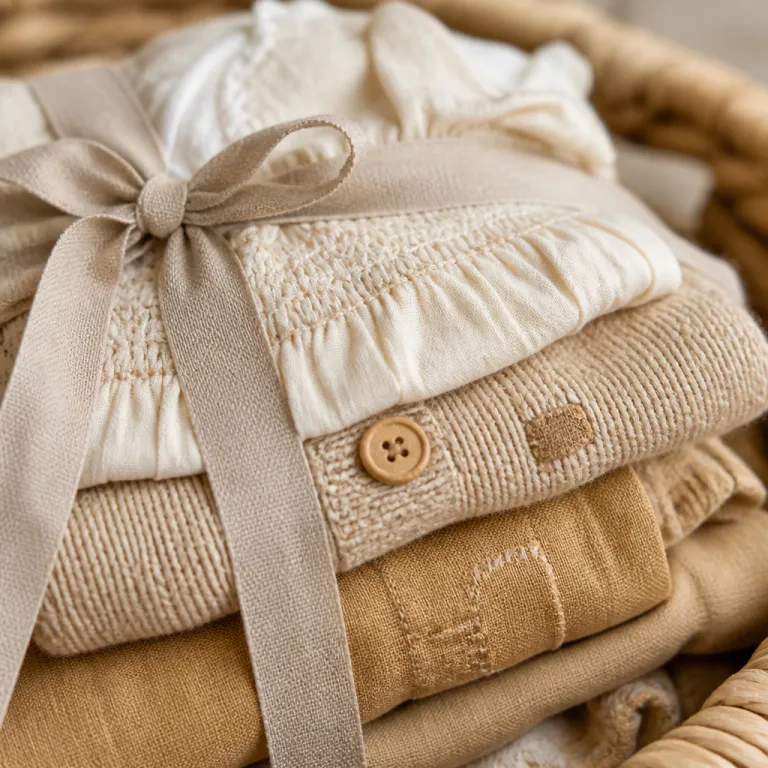
From fast fashion fatigue to the heirloom kids clothing vintage kidswear trend
Parents are quietly turning away from fast fashion clothing and back toward the heirloom kids clothing vintage kidswear trend. This shift is not sentimental daydreaming ; it is a clear reaction to flimsy children clothes that shrink, fade, and lose shape after a single party. When you dress children for a wedding or holiday portrait, you want pieces that feel timeless, look considered, and still let kids run without thinking about every grass stain.
The new nostalgia is practical, not precious, and it is reshaping how we shop for kids. Instead of grabbing random kids clothes from a big box rack, style savvy parents now ask about fabric content, construction, and whether the items feel good on bare skin. They are choosing heirloom quality garments for boys and girls that can handle real living, then be passed from baby to newborn toddler cousin without looking tired.
This is where the heirloom kids clothing vintage kidswear trend becomes more than an aesthetic. It is a strategy for buying fewer but better children clothing pieces, especially for short precious moments like baptisms, first birthdays, and school recitals. You are not just buying something special for one child ; you are building a small wardrobe of classic clothes that can move through the family with grace.
Heritage aesthetics: cottagecore, fairycore, and the new classic kids silhouette
The heirloom kids clothing vintage kidswear trend borrows heavily from cottagecore and fairycore, but it edits the fantasy into something wearable. Think Liberty style florals, hand smocked bodices, and puff sleeves balanced with simple lines so children can still climb trees after the ceremony. These vintage inspired details give even the smallest baby outfit a sense of story without tipping into costume.
At trade shows like Pitti Bimbo in Florence, brands lean into cultural heritage, from British tartan to Japanese meticulous fabric work. You see traditional children silhouettes reimagined in breathable cotton, soft merino wool, and airy linen, all designed to feel clothe comfortable against sensitive skin. This is heritage as living fashion for kids, not museum dressing, and it is why parents increasingly seek timeless designs instead of trend driven prints.
For parents who love period drama aesthetics, Regency influenced pieces offer a refined route into this world. High waisted dresses, delicate embroidery, and neat collars echo historical wardrobes while staying practical for everyday wear when styled with leggings or a wool sweater. If you are curious about this angle, look at a detailed guide to Regency inspired kids fashion and you will see how easily these classic shapes translate to modern children.
Comfort first: can heirloom style survive the playground test ?
The biggest question around the heirloom kids clothing vintage kidswear trend is simple ; do children actually enjoy wearing these clothes. A hand smocked dress or a merino wool sweater might look perfect in photos, but if the lining itches or the buttons dig in, your child will refuse it after ten minutes. Smart parents know that comfortable luxury matters more than any lace trim when the party runs long and the dance floor opens.
Look closely at how pieces are designed, not just how they photograph on a hanger. A good wool sweater for boys or girls should use soft merino wool, have flat seams, and enough ease through the shoulders so kids can reach for balloons without restriction. The same rule applies to baby rompers and newborn toddler outfits ; leg openings must be generous, snaps should close smoothly, and the items feel gentle even after multiple washes.
Some parents worry that heirloom quality means fragile, but the best traditional children labels design for real life. They cut party dresses so they work as everyday wear with sneakers, and they line special occasion shorts so three boys can slide down a hill without complaining. If you want a cultural reference point for this balance of polish and practicality, think of the preppy yet active looks analysed in this piece on Rachel Berry style and translate that energy into children clothing that can move.
Heirloom economics: why quality children pieces can cost less over time
On paper, heirloom kids clothing in the vintage kidswear trend often looks more expensive than a box store outfit. Yet when you calculate cost per wear, resale value, and hand me down potential, the numbers usually favor heirloom quality garments. A well cut wool sweater in merino wool might serve one child as occasion wear, then rotate into everyday wear for a younger sibling, and finally resell for a meaningful percentage of the original price.
Parents who shop like their grandmothers think in terms of lifecycle, not single events. They choose classic styles for boys and girls that will still feel relevant when the next baby arrives, avoiding novelty prints that date quickly. This is where the heirloom kids clothing vintage kidswear trend intersects with sustainability ; buying fewer, better pieces reduces waste and keeps quality children clothes in circulation longer.
The resale market rewards timeless designs and recognizable heritage labels, not anonymous big box purchases. A smocked dress in a traditional children print or a structured coat in pure wool will attract buyers years later, especially if the items feel well maintained. For families who love dressing kids beautifully for weddings and holidays but do not want a luxury big budget, this approach turns extra special purchases into small investments rather than one night splurges.
How to mix heritage pieces with modern basics for real life
The most stylish families rarely dress children head to toe in vintage inspired outfits. Instead, they anchor a look with one heirloom level piece, then soften it with modern basics that make the clothes comfortable for long days. A hand smocked dress becomes less formal when paired with cotton tights and sneakers, while a structured blazer for boys relaxes over a striped tee and chinos.
Think of cygnet motifs, tartan trims, or delicate embroidery as accents rather than full themes. You might choose a cygnet print blouse from a brand like Cygnet Living, then style it with denim shorts for a birthday picnic so the overall effect feels playful, not stiff. The same logic works for baby outfits ; a special romper can be layered over a simple bodysuit so newborn toddler changes stay quick and practical.
Parents who shop this way often plan ahead, especially for cold season ceremonies. They read guides on how to choose kids winter coats wisely and then build outfits around one or two standout coats that work for both events and school runs. The goal is always the same ; create looks that feel extra special in photos, yet remain easy enough that children forget what they are wearing and simply play.
FAQ
How many heirloom pieces does a child really need ?
Most families find that two or three heirloom level pieces per child are enough for a season. One dressy option, one versatile knit like a merino wool sweater, and one outerwear piece usually cover ceremonies, holidays, and school events. The rest of the wardrobe can be built from simpler basics that coordinate with these timeless designs.
Are heirloom kids clothes practical for everyday wear ?
Many modern heritage brands design their clothing to work as both occasion wear and everyday wear. Look for machine washable fabrics, reinforced seams, and cuts that allow full movement so children can run and climb comfortably. If a garment feels too delicate to survive the playground, reserve it for very short precious events only.
What fabrics should I prioritize for heirloom quality kidswear ?
Natural fibers like cotton, linen, and merino wool tend to age gracefully and feel gentle on sensitive skin. For baby and newborn toddler pieces, choose soft knits and fine wovens that remain clothe comfortable after repeated washing. Avoid stiff synthetics for items that sit close to the skin, especially around the neck and cuffs.
How can I tell if a vintage inspired piece will resell well ?
Resale platforms favor classic colors, simple prints, and recognizable heritage details such as smocking or traditional children tailoring. Check that the garment still looks fresh after washing and that closures, hems, and linings remain intact. Pieces from respected labels with consistent sizing usually attract more interest from parents seeking quality children clothing.
Is it worth paying more for small batch or artisan kids brands ?
Paying more can be worthwhile when the brand offers traceable materials, careful construction, and designs that stay relevant for several years. Small batch labels often focus on heirloom quality, meaning their items feel better on the body and last longer in rotation. For parents who buy occasion outfits only a few times a year, one extra special garment that passes through several children can be better value than multiple disposable options.