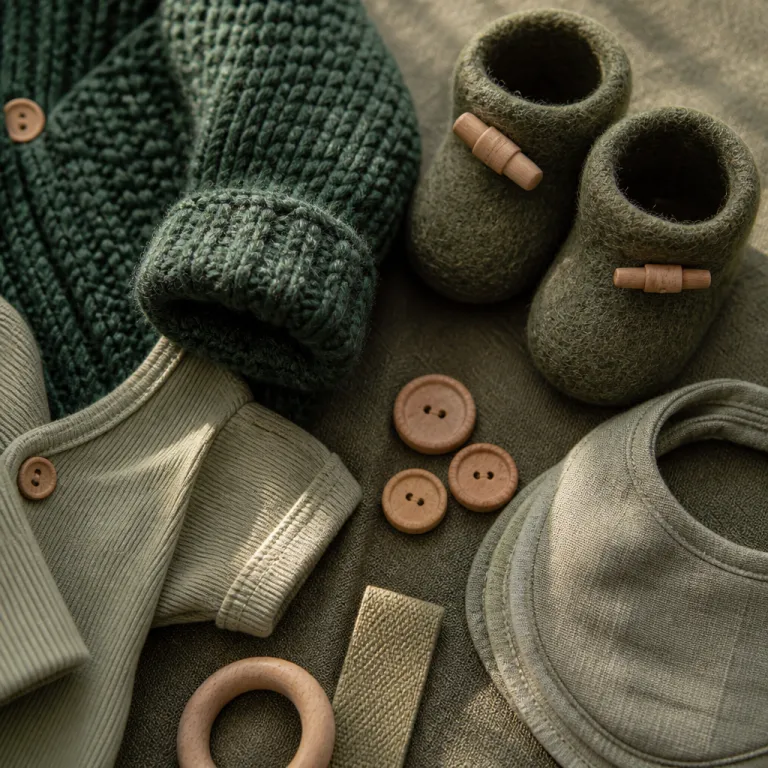

Little scandi as a global mood: why Nordic style speaks to fashion kids
Little scandi style has become a quiet revolution in kids fashion. Around every curated shop window, you will find a Nordic-inspired rail where each product feels intentional and where every little detail serves comfort, beauty, and function. This global fascination with Scandinavian fashion for babies and older children is reshaping how parents and young style enthusiasts think about building a wardrobe.
At its core, the little scandi universe blends soft color palettes, clean lines, and playful prints that still look refined. Scandinavian fashion for kids focuses on silhouettes that move easily, so a baby can crawl, a toddler can climb, and older kids can run without feeling restricted by the design. When you read product descriptions from leading Scandinavian labels, you will find repeated emphasis on high quality fabrics, organic cotton fibers, and a regular fit that respects growing bodies over many months and even years.
This Nordic approach also reframes how we evaluate price and value in baby clothes. Instead of chasing every discount banner, parents increasingly compare regular price and even unit price against durability and fabric certifications. In the little scandi mindset, a higher price for a high quality romper or Scandinavian baby knit is justified when the piece survives multiple kids and still looks original and fresh. As one Copenhagen-based parent put it in a recent kidswear interview, “I would rather buy one cardigan that lasts through three cousins than five that lose their shape after a single season.”
From Konges Sløjd to Little Dutch: key Scandinavian brands shaping the look
When kidswear fans talk about little scandi aesthetics, certain brands immediately set the tone. Labels such as Konges Sløjd, Little Dutch, and other Scandinavian-inspired companies have turned the idea of a Nordic baby wardrobe into a global reference, with each brand offering its own original twist on minimalism. These collections prove that a baby can wear poetic prints, muted tones, and organic cotton without sacrificing practicality or comfort.
The Konges Sløjd universe, for example, is built around delicate fruit motifs, soft florals, and a regular fit that flatters both babies and older kids. In many collections, the regular price reflects the use of high quality organic cotton and carefully tested fastenings, while the occasional sale period allows more families to access the brand without compromising on standards. Little Dutch, although not strictly from Scandinavia, is often included in the little scandi conversation because its product design, color stories, and baby clothes silhouettes align closely with Nordic fashion values.
For young style observers, these brands also serve as creative references that go beyond baby outfits. The poetic storytelling of Konges Sløjd prints or the gentle nostalgia of Little Dutch palettes can inspire themed looks, mood boards, and even art projects, much like the way the Mona Lisa dress inspires creativity in kids fashion for older children. In this ecosystem, every little scandi label becomes part of a wider cultural narrative where fashion, illustration, and childhood imagination meet.
Fabric, comfort, and climate: how little scandi design serves real kids lives
Behind the serene visuals of little scandi outfits lies a very practical design philosophy. Scandinavian baby and kids wardrobes must handle real weather, from coastal winds to snowy playgrounds, which is why high quality fabrics and thoughtful layering are non negotiable. This climate driven reality explains why so many Nordic baby and toddler collections rely on organic cotton, merino blends, and breathable linings that work across several months and even years of growth.
For anyone passionate about kids fashion, it is fascinating to read product labels and see how often organic cotton appears in baby clothes from Scandinavian brands. A single romper or leggings set is rarely just a cute product; it is a technical piece designed to regulate temperature, reduce irritation, and survive frequent washing without losing its original shape. When parents compare regular price and sale price, they are not only checking the number on the tag, they are also evaluating whether the unit price makes sense for the number of wears across different seasons.
This focus on comfort extends to silhouettes that respect movement and sensory needs. Many little scandi designers avoid scratchy seams, stiff waistbands, or heavy embellishments, especially for pieces worn directly on delicate skin. For families who love a freer, more bohemian mood, Nordic labels pair beautifully with guides such as the boho baby clothes style guide, creating layered looks where organic cotton basics from Konges Sløjd or Little Dutch sit under floaty dresses or textured knits.
Price, value, and sales: decoding the economics of a little scandi wardrobe
Building a little scandi wardrobe for young children often raises questions about price and long term value. Parents and young fashion observers quickly notice that the regular price of a Scandinavian baby cardigan or coat can be higher than mass market alternatives, especially when organic cotton and certified dyes are involved. Yet when you calculate the unit price per wear, many of these pieces become surprisingly competitive.
The key is to look beyond a single price tag and consider how many months or even years a garment will serve. Scandinavian fashion tends to favor slightly oversized cuts, adjustable straps, and elastic waists, which means a baby can wear the same product from six to twelve months, while some toddler pieces stretch across two clothing sizes. When a cardigan from Konges Sløjd or a romper from Little Dutch survives multiple kids in the same family, the effective cost becomes lower than a cheaper item that fades, pills, or loses its original shape after a few washes.
Sales play a strategic role in making little scandi style more accessible. During a seasonal sale, parents can secure high quality baby clothes at a sale price that aligns with their budget, especially when they compare offers across different brands in the same shop. Smart shoppers read size guides carefully, anticipate upcoming months and years of growth, and choose timeless prints so that each Nordic-inspired piece remains relevant long after the sale banners disappear.
Global inspirations: how little scandi style travels from Nordic streets to world playgrounds
Little scandi aesthetics may originate in Nordic cities, yet their influence now stretches across global kids fashion. In Paris, London, and Tokyo, you will find concept stores where a curated selection of Scandinavian brands sits next to Japanese minimal labels and French heritage knitwear. This cross pollination allows young fashion fans to read trends not as isolated waves but as a dialogue between cultures, climates, and childhood rituals.
One reason Scandinavian fashion travels so well is its visual clarity. Neutral bases, gentle pastels, and small scale prints adapt easily to different local styles, whether layered under bold streetwear in Seoul or paired with traditional pieces in Amsterdam. Parents appreciate that a scandi baby onesie from Konges Sløjd or a cardigan from Little Dutch can be styled in multiple ways, which again improves the unit price value and justifies the regular price outside a sale period.
Global shipping has also transformed access to little scandi wardrobes. Many online shop platforms now offer transparent delivery options, clear information about regular price versus sale price, and detailed fabric breakdowns for every product. As families in diverse regions add more Scandinavian baby and kids pieces to their carts, the language of little scandi style becomes a shared reference point, much like the technical vocabulary around performance ski trousers for twelve year old boys has become standard in winter sportswear.
How to shop and style: practical tips for curating an original little scandi wardrobe
Curating an original little scandi wardrobe starts with a clear plan rather than impulse purchases. Begin by listing the real needs of your baby or older kids across the next six to twelve months, then map which product categories must be bought at regular price and which can wait for a sale. This approach helps you balance budget, high quality expectations, and the desire to explore several brands without overbuying.
When you shop online, always read the full product description, including fabric composition, washing instructions, and fit notes. Look for organic cotton in baby clothes that sit closest to the skin, especially for bodysuits, leggings, and pyjamas, because these pieces endure the most frequent washing. Check whether the brand indicates a regular fit or an oversized cut, since this will influence how many months or years a garment will last and how the effective unit price compares with alternatives.
Styling is where the magic of little scandi really appears. Start with a neutral base from Konges Sløjd or Little Dutch, then add one original accent piece, such as a printed cardigan or a textured knit hat, to keep the look playful without overwhelming the child. Over time, you will find that a small, thoughtful selection of Scandinavian baby and kids pieces, chosen with attention to regular price, sale opportunities, and long term wear, creates a wardrobe that feels both global and deeply personal.
Key figures shaping the rise of little scandi style
- According to the Swedish Fashion Council’s 2023 industry overview, Swedish childrenswear exports grew by roughly 35% between 2013 and 2022, reflecting the global appetite for Scandinavian fashion in both baby and kids segments (see Swedish Fashion Council, “Swedish Fashion Association Industry Report 2023,” published 2023).
- Organic cotton now represents a significant share of premium baby clothes collections in Northern Europe; for example, the 2022 Textile Exchange Organic Cotton Market Report notes that several leading Nordic brands use organic fibers in more than half of their baby and toddler products (Textile Exchange, “Organic Cotton Market Report 2022,” released November 2022).
- Market analyses of childrenswear from firms such as Euromonitor and McKinsey show that consumers are willing to pay a higher regular price when they perceive high quality and extended wear time, which aligns closely with the little scandi focus on durability across multiple months and years.
- Online sales of Scandinavian baby and kids brands have increased as international shipping has become more efficient, allowing families worldwide to access little scandi selections that were once limited to regional boutiques.
FAQ: little scandi style for fashion kid passionate
How is little scandi style different from other kids fashion trends ?
Little scandi style emphasizes clean lines, soft colors, and practical comfort, especially for babies and toddlers. Unlike more logo driven trends, Scandinavian fashion focuses on high quality fabrics such as organic cotton and on silhouettes that work across several months and years. This makes each product feel timeless and adaptable rather than tied to a single season.
Is the higher price of scandinavian baby clothes really worth it ?
For many families, the value lies in durability and comfort. A well made romper or cardigan from a Nordic-inspired brand often survives frequent washing, rough play, and even passing from one child to another while keeping its original shape. When you calculate the unit price over all those wears, the regular price can compare favorably with cheaper items that wear out quickly.
Which brands should I explore first for a little scandi wardrobe ?
Konges Sløjd and Little Dutch are strong starting points because they offer a wide selection of baby clothes and kids pieces in organic cotton. Their designs capture the essence of little scandi aesthetics while remaining practical for everyday life. From there, you can expand to other Scandinavian brands that match your preferred price range and styling preferences.
How can I balance regular price and sale price when shopping ?
Plan ahead by identifying essentials that your baby or kids will need across upcoming months and years, such as outerwear or sleepwear. Buy core items at regular price when necessary, then use sale periods to add extra pieces or size up for the future, always checking the unit price and fabric quality. This strategy keeps your little scandi wardrobe coherent while respecting your budget.
What fabrics should I prioritize for a comfortable scandi baby wardrobe ?
Organic cotton is the foundation of most comfortable little scandi outfits, especially for baby clothes worn directly on the skin. For cooler climates, look for blends that combine cotton with soft wool or technical fibers to manage temperature without irritation. Always read care labels carefully, since proper washing helps maintain both high quality texture and the original fit of each garment.