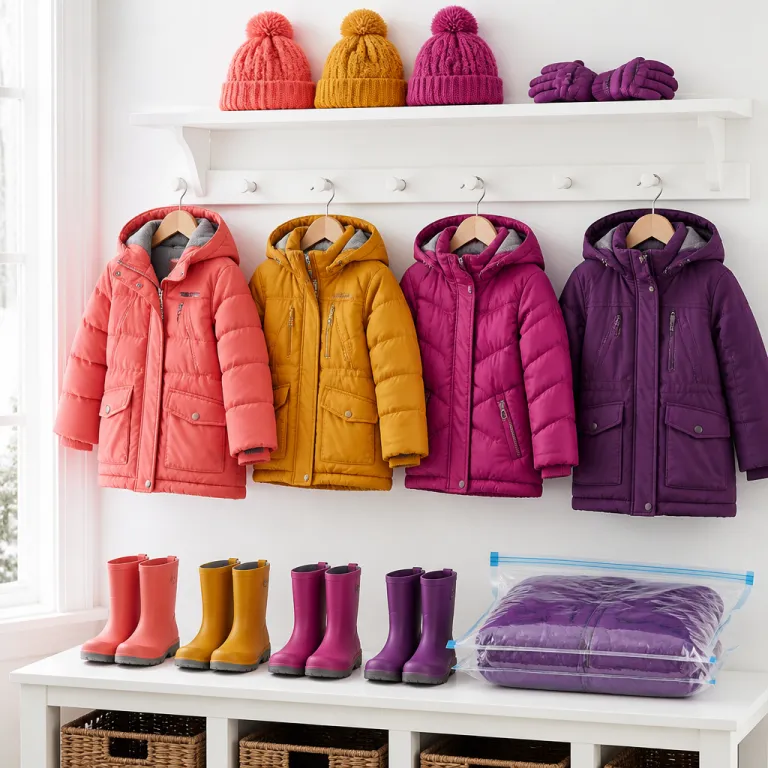
Why this kids winter coats guide starts in July, not in December
Smart parents treat a kids winter coats guide like a calendar, not a panic button. July and August are when major outdoor labels quietly release every new winter jacket and winter coat for kids, with full size runs and the best colour stories still untouched. By the time the first cold winter days arrive, the most practical winter outerwear for each child is already gone, and you are left with the wrong jackets in the right size or the right coats in the wrong size.
Patagonia, The North Face and Columbia Kids drop their fall winter collections in midsummer, which means that a child winter wardrobe can be planned while everyone else is still thinking about sand rather than snow. Retailers often run pre season promotions of 20 to 30 percent on at least one insulated jacket or insulated jackets capsule, so the same winter jacket that will feel expensive in November suddenly looks like a strategic buy in August. For eco conscious parents, this timing also leaves space to compare organic cotton parkas, recycled synthetic fill kids puffer coats and second hand winter coats without the pressure of an incoming storm.
End of season sales in March and April can reach 40 to 60 percent off, but by then only scattered sizes of winter jackets and rain jacket styles remain, which rarely suit fast growing kids. Industry reports and clearance summaries from large retailers such as REI, Decathlon and Target consistently show that the deepest discounts cluster in late winter, while size availability drops sharply once the first frosts hit. July shopping means you can choose a long coat or shorter jacket shape that respects your child’s proportions, whether they are particularly small or suddenly tall. Think of this kids winter coats guide as a way to shift your mindset from last minute survival mode to slow, intentional planning for cold weather that still respects budget, style and real life play.
Fit, sizing and movement: how a winter coat should really sit on a child
A kids winter coats guide that ignores fit is just pretty pictures. For active kids, the right winter coat or winter jacket must allow full arm rotation, deep squats and a sprint to the school gate without the jacket zip biting into the chin or the zip front straining across the chest. When you size up, you want one size larger than the current jacket for layering and two full winters of wear, not a coat so long and wide that your child trips on the hem.
Ask your child to hug themselves while wearing the winter coat; if the front panels of the jacket pull apart, the fit is too narrow for thick knitwear and will feel restrictive on cold winter days. Check sleeve length with hands stretched forward, because a good insulated jacket or puffer jacket should still cover the wrist and sit just over mitten cuffs without dragging into paint water. For sensory sensitive kids, look for soft chin guards at the top of the jacket zip, smooth lining fabrics and minimal internal labels, then pair these with sensory smart layers as outlined in this guide to comfort through season shifts.
Length is a strategic choice in any kids winter coats guide; a long coat that covers the seat offers extra warmth on icy playground benches, while a shorter winter jacket or rain jacket gives more freedom for climbing frames and bikes. For coats kids can share between siblings, choose adjustable waists, generous underarm panels and two way zip front closures that adapt to different body shapes. Always remember that a child winter silhouette should look balanced from front and back, with enough room for growth but not so much fabric that the jacket water barrier flaps like a cape in the wind.
Quick fit checklist for kids’ winter coats
- Shoulders: seams sit at the edge of the shoulder, not halfway down the arm.
- Sleeves: wrists are covered when arms stretch forward, but fingers stay visible.
- Zip test: coat zips easily over a sweater without pulling or gaping at the chest.
- Movement: child can touch toes, hug themselves and reach up without the hem riding too high.
- Hood: stays on when they shake their head, without falling over the eyes.
Insulation decoded: down, synthetic fill and the art of layering
Every serious kids winter coats guide must start with insulation, because that is where warmth is won or lost. Down filled winter coats trap air efficiently and feel incredibly warm for their weight, but they hate prolonged rain and wet snow unless wrapped in a truly water resistant shell. Independent lab tests from organisations such as the International Down and Feather Bureau and outdoor gear review sites report that untreated down loses much of its insulating power once saturated, while modern synthetic fibres keep more warmth when damp.
For city kids who mostly face short, cold weather commutes and dry winter days, a mid length down winter coat with a water repellent finish can be the perfect balance of elegance and function. Mountain families or those in wetter climates should prioritise an insulated jacket with synthetic fill under a robust water resistant or fully waterproof outer layer, especially when snow turns to slush or rain. Fleece lined jackets and lightweight winter outerwear pieces are best treated as mid layers, not standalone winter jackets, because they lack the wind blocking power needed for long hours outdoors.
Think in systems rather than single pieces; a slim puffer jacket or insulated jacket can slide under a shell style rain jacket for stormy days, then be worn alone on crisp but dry afternoons. When you buy off season, you can build this layering wardrobe intentionally and even plan which coats kids will inherit later, using smart storage strategies like those in this guide to hand me down organisation. The goal is simple yet demanding, because the perfect kids winter system is not what photographs well, but what survives the playground.
At a glance: down vs synthetic for kids
- Down: light, very warm, packs small; best for cold, mostly dry climates and dressier coats.
- Synthetic fill: insulates when damp, dries faster, usually easier to machine wash; ideal for everyday school and play.
- Hybrid wardrobes: many families choose one synthetic insulated jacket for daily wear and reserve a down parka for the coldest, driest days.
Example insulation comparison for children’s winter jackets
| Typical kids’ coat style | Insulation type | Best for | Approx. price range (USD) |
|---|---|---|---|
| Everyday kids puffer coat | Synthetic fill | School runs, wet playgrounds | 40–90 |
| Dressy long winter coat | Down or down blend | Very cold, mostly dry days | 90–180 |
| 3-in-1 children’s winter jacket | Removable synthetic liner | Variable climates, travel | 80–160 |
Weather proofing: water resistant, water repellent and the reality of snow days
Labels on winter coats can be confusing, so any honest kids winter coats guide must translate them into playground language. Water resistant usually means the winter jacket or puffer jacket will shrug off light rain and brief snow flurries, but it will eventually soak through in a downpour or during long sessions rolling in wet snow. Water repellent finishes cause droplets to bead and run off the coat surface, buying more dry time for your child before the cold creeps in.
For serious cold weather and frequent snow play, look for a waterproof rating of at least 5 000 millimetres on winter jackets and rain jacket shells, and 10 000 millimetres if your kids spend hours skiing or sledging. These thresholds are widely used by outdoor brands and consumer testing bodies such as REI Co op Labs, Which? and Consumer Reports as practical cut offs for moderate versus heavy conditions. Sealed seams, storm flaps over the zip front and a high collar that closes smoothly without trapping skin under the jacket zip all contribute to real world warmth. A good kids winter coat will also have a slightly dropped back hem to protect the lower back when a child bends, sits or crouches in the snow.
Do not forget breathability, because a child who overheats in a non breathable jacket water barrier will end up damp from sweat, then cold once they stop moving. Underarm vents, mesh lined pockets and technical linings help regulate temperature on active winter days, especially when combined with removable mid layers. Independent consumer test panels regularly find that many children’s winter jackets underperform on breathability, which is why ventilation features and smart layering matter so much. When planning travel wardrobes and even rolling suitcases for kids, it is worth reading guides like this one on choosing practical luggage, because the same logic applies; pack fewer, better pieces that handle both rain and snow without drama.
Waterproof rating examples for kids’ outerwear
| Coat type | Typical waterproof rating | Use case |
|---|---|---|
| Water resistant school parka | 1 000–3 000 mm | Light rain, short walks |
| Waterproof snow jacket | 5 000–10 000 mm | Regular snow days, sledging |
| Technical ski shell for kids | 10 000 mm+ | Long days in heavy snow |
Design details that matter: from reflective strips to mitten loops
Style driven parents know that a kids winter coats guide is not just about insulation charts; it is about the tiny details that turn a coat into a daily ally. Reflective strips on the front, back and sleeves of winter coats are non negotiable for dark school runs, especially when kids are small and easily hidden between parked cars. A deep hood that stays up in wind, ideally with elastic sides rather than only a drawcord, will protect a child winter hairstyle and ears without slipping over the eyes.
Look closely at closures, because a smooth running jacket zip with a large pull tab is easier for little hands than fiddly buttons, and a covered zip front prevents cold metal from touching the chin. Mitten loops at the cuffs, internal name labels and secure pockets for bus cards or small treasures all make winter jackets more child friendly. For coats kids wear to more formal events, such as wool blend long coats, you can still insist on hidden storm cuffs and a discreet water repellent treatment so elegance does not mean sacrificing warmth.
Inside, check for soft linings at the neck and chin, because rough seams can ruin even the perfect puffer jacket for a sensory sensitive child. Adjustable hems and waists allow a winter jacket to cinch in for warmth on very cold weather days, then relax for layering when temperatures rise slightly. These details might seem minor in July under bright skies, but they are exactly what will keep your kids warm, visible and independent when the first icy wind hits the playground.
Alt text ideas for kids’ winter coat photos
- “Child wearing navy waterproof children’s winter jacket with reflective strips, standing in light snow.”
- “Toddler in bright red kids puffer coat with hood and mitten loops, playing on a playground slide.”
- “Two siblings in long insulated winter coats, walking to school on a frosty morning.”
Trends, price points and off season strategy for eco conscious families
Trends in kids winter outerwear are shifting quietly towards earthy neutrals, muted neons and technical fabrics that feel soft rather than crunchy. This fall, expect to see puffer jacket silhouettes with less bulk, winter coats in caramel and forest green, and winter jackets with contrast zip front details that still keep the overall line clean. For fashion aware kids, a single statement coat paired with simple accessories will feel more grown up than a wardrobe full of loud prints.
At budget level, labels like Cat & Jack or Decathlon Kids offer functional insulated jackets and rain jacket options that handle everyday cold weather without drama, especially when bought in July before sizes vanish. Mid range brands such as Columbia and Lands’ End balance robust water resistant shells with reliable synthetic fill, while premium players like Patagonia and The North Face focus on recycled materials and repair programmes that appeal to eco responsible parents. Off season shopping lets you compare these tiers calmly, decide where a long coat or technical jacket is worth the extra cost, and where a simpler coat will do the job.
For families committed to sustainability, July and August are also the moment to scan second hand platforms for last season’s winter coats, when sellers list outgrown pieces before the rush. A kids winter coats guide that respects both budget and planet will always suggest mixing new and pre loved jackets, then rotating them between siblings with careful storage. In the end, the perfect strategy is simple; buy early, buy fewer, choose pieces that keep every child genuinely warm and dry, because the real test of any winter coat is not what photographs well, but what survives the playground.
Key figures every parent should know about kids' winter coats
- Many outdoor brands state that synthetic fill jackets retain a significant portion of their insulating power even when damp, while down loses much of its warmth once wet, which is why synthetic insulated jackets are often recommended for wet climates. Lab comparisons published by outdoor gear review platforms and the International Down and Feather Bureau support this general pattern.
- Waterproof ratings of 5 000 millimetres are generally considered the minimum for reliable protection in moderate rain and snow, while 10 000 millimetres or more is advised for prolonged exposure to harsh winter weather and snow sports. These benchmarks are echoed in guidance from retailers such as REI Co op, Which? and Consumer Reports.
- Retail data from large retailers consistently shows that the deepest discounts on winter coats, often between 40 and 60 percent, appear at the end of the cold season, but size availability is sharply reduced by that point. Clearance reports from chains such as Target, Decathlon and department stores confirm that popular sizes sell through long before final markdowns.
- Consumer testing organisations frequently report that many children’s winter jackets fail on breathability, which can lead to overheating and then rapid cooling, underlining the importance of ventilation features and layering strategies. Test summaries from groups such as Stiftung Warentest and other national consumer labs regularly highlight this gap between waterproofing and comfort.
- Surveys of eco conscious parents show a growing preference for recycled polyester and responsibly sourced down in kids’ winter outerwear, reflecting a broader shift towards sustainability in family purchasing decisions. Brand impact reports from Patagonia, The North Face and Columbia all document rising sales of collections made with recycled fibres and certified down.
FAQ about kids' winter coats and off season shopping
How many winter coats does a child really need?
Most children manage well with two winter coats; one everyday winter jacket or puffer jacket for school and play, and one slightly smarter coat for occasions. In very wet or snowy regions, adding a dedicated waterproof shell or rain jacket over a lighter insulated jacket can be more versatile than buying a third heavy coat. The key is to ensure that each piece serves a distinct purpose and layers well with existing knitwear and base layers.
Is it safe to buy a winter coat one size bigger?
Buying one size up is usually safe and often recommended, because it allows room for growth and for thick layers underneath. The coat should still sit correctly at the shoulders, with sleeves reaching the wrist but not covering the entire hand, and the front zip closing smoothly without bunching. Avoid sizing up more than one size, as an oversized jacket can restrict movement, let in cold air and become a tripping hazard.
What is the difference between water resistant and waterproof for kids' jackets?
Water resistant jackets are treated to repel light rain and brief contact with snow, but they will eventually let moisture through in heavy or prolonged wet conditions. Waterproof jackets have a higher level of protection, often measured in millimetres, and usually include sealed seams and storm flaps to keep water out. For everyday city use, water resistant winter coats are often enough, while mountain or very wet climates justify investing in fully waterproof winter outerwear.
Are down coats or synthetic fill better for children?
Down offers excellent warmth to weight and packs small, making it ideal for very cold but mostly dry climates. Synthetic fill is more forgiving in real life, because it keeps insulating when damp, dries faster and usually tolerates frequent machine washing, which suits messy play and child winter spills. Many families choose synthetic insulated jackets for daily wear and reserve down winter coats for the coldest, driest days or travel.
When is the best time to find sustainable kids' winter coats?
July and August are ideal for finding sustainable kids winter options, because new collections featuring recycled materials and responsible sourcing arrive with full size ranges. Off season, you can also browse second hand platforms and local swaps for high quality pre loved winter jackets before demand spikes. Planning early gives eco conscious parents time to balance budget, ethics and style without compromising on warmth or function.