The best hair accessories for fashion forward kids
Clips, claws and ties: choosing shapes that really work
Not every hair clip suits every hair type, and this matters even more for active kids. Fine straight hair often needs flat clips with a textured inner surface, while thick or curly hair responds better to a deep tooth claw clip or a sturdy hair claw. When you match the accessory shape to the hair texture, styles last longer and feel more comfortable.
For school days, look for a compact clip set that includes snap clips, alligator clips, and a few mini claws for growing fringes. Children who run, jump, and dance need hair accessories that hold without pinching, so test each hair accessory by gently tugging the ponytail or bun after styling. If the hair clips slide or the hair ties leave sharp dents, adjust the size or switch to softer hair elastics immediately.
Travel days add another layer of practicality to your choices. A small pouch with a mix of bobby pins, hair pins, and a foldable claw hair clip is as essential as a well chosen kids suitcase for organised trips, so pair them with a top rolling suitcase for children to keep everything tidy. When every clip, claw, and hair stick has a place, young fashion fans learn that good organisation is part of great style.
How to evaluate quality and rating for kids hair accessories
Parents often rely on an online rating when choosing the best hair accessories, especially on large platforms such as Amazon. For children, focus less on the number of stars and more on comments about comfort, durability, and how well the accessories hold during sports or playground time. A five star hair clip that pulls fine hair is less valuable than a four star claw clip that feels weightless all day.
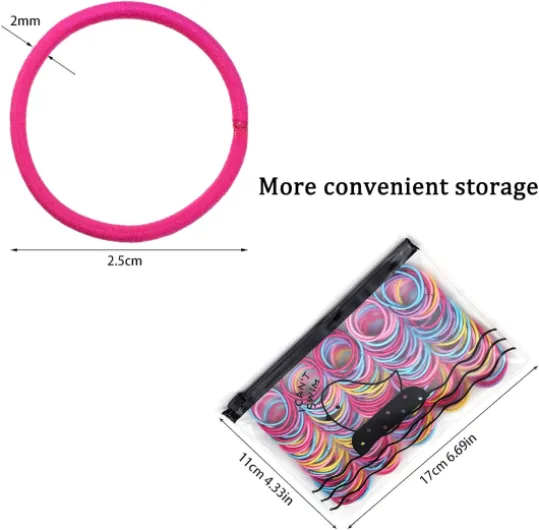
Check whether reviewers mention specific hair types, such as curly hair or very straight hair, because this context matters for real life performance. When a product page shows a clip set or hair accessories bundle, confirm that the size of each hair claw, hair stick, and pair of hair elastics is clearly listed in centimetres. Transparent information about materials, measurements, and care instructions signals a brand that treats kids’ comfort as a priority rather than an afterthought.
Colour fastness is another subtle but important quality marker. Dark black clips, printed scrunchies and patterned hair scarves should not bleed dye onto light shirts or pillowcases after washing. If a brand openly explains its testing process and washing recommendations, you can trust that each accessory in the set will age gracefully in a busy family wardrobe.
Styling ideas with the best hair accessories for every hair type
Creative styling with the best hair accessories starts with understanding your child’s hair type. Straight fine hair benefits from layered hair clips along the side part, while dense curly hair looks spectacular with a single statement hair claw placed low at the nape. When you respect the natural movement of the hair, each accessory feels like a highlight rather than a constraint.
For a quick school morning, gather hair into a low ponytail using soft hair ties, then wrap a bright scrunchie around the base for volume. Add two small hair clips at the temples to keep flyaways in place, and finish with a slim hair stick tucked through a mini bun for older kids who enjoy a slightly more sophisticated look. On weekends, swap the structured style for loose waves held by claw clips and a flowing hair scarf tied as a bandana.
Parents of children with curly hair should prioritise accessories that glide rather than snag. Choose wide tooth claw hair clips, spiral hair pins, and fabric covered hair elastics that stretch without cutting into coils. For more inspiration on pairing hairstyles with outfits, explore this curated guide to top hair accessories for kids, then adapt each idea to your child’s unique texture and personality.
Playful themes, icons and mini details kids love
Children respond strongly to visual storytelling, so themed hair accessories can turn daily styling into a game. Look for hair clips shaped like stars, fruits, animals, or a favourite icon from storybooks, and mix them with classic black pieces to avoid visual overload. A balanced clip set with both playful and plain options lets kids express mood without clashing with school dress codes.
Mini accessories are especially powerful for young fashion fans who enjoy layering. A row of mini claw clips along a braid, a scattering of tiny bobby pins shaped like stars, or a slim hair stick topped with a subtle icon can all fill small spaces in the hairstyle with personality. When you combine these mini details with a larger hair claw or a bold hair scarf, the overall effect feels intentional rather than chaotic.
Seasonal motifs keep the accessory drawer feeling fresh. In warmer months, choose hair scarves in breathable cotton and scrunchies with fruit or floral prints, then shift towards velvet hair ties and deeper black or jewel toned hair clips when temperatures drop. This rhythm teaches children that style evolves with the seasons, just like their favourite coats and shoes.
Colour, texture and outfit coordination for young style icons
Colour strategy separates a random pile of hair accessories from a truly curated collection. Start with a base palette of black, cream, and one or two accent colours that echo your child’s most worn clothes. When every hair clip, hair claw, and set of hair ties fits this palette, mixing and matching becomes effortless.
Texture deserves as much attention as colour in kids fashion. Pair matte claw clips with shiny satin bomber jackets, or choose glossy hair clips to contrast with chunky knitwear and denim. A velvet scrunchie can soften a structured blazer, while a smooth silk hair scarf adds polish to a simple T shirt and jeans.
Outfit coordination extends from head to toe. When planning a look around statement trainers or carefully chosen seasonal shoes, use a complementary hair accessory to echo a stripe, logo, or colour accent, and consult a detailed guide to kids footwear that supports growing feet to keep proportions balanced. A black claw hair clip can ground a neon tracksuit, while pastel hair elastics and star shaped hair pins can lighten a dark school uniform.
Balancing trends and timeless pieces in kids hair accessories
Trends move quickly, but children benefit from a stable core of timeless accessories. Classic bobby pins, simple black hair ties, and neutral hair clips never feel out of place, even when hot new colours or characters appear in shops. Use these basics as the foundation, then layer on a few trend led pieces each season.
Right now, claw clips and mini claw hair designs are a visible trend among older kids and teens. For younger children, choose lighter plastic versions with rounded teeth to protect the scalp, and avoid oversized claw clips that feel heavy on small heads. A single well chosen claw clip in a favourite colour can feel more special than a crowded set of lower quality pieces.
Some brands, such as Kristin Ess, have translated adult hair accessory trends into child friendly formats. When you adapt these pieces for kids, focus on weight, grip strength, and whether the accessory can survive being tossed into a school bag. A thoughtful mix of trend and timeless design helps young fashion lovers build a personal style that feels both current and enduring.
Practical care, storage and safety for kids hair accessories
Even the best hair accessories lose their charm if they are bent, tangled, or dirty. Establish a simple care routine where children help clean hair clips, wipe hair claws, and untangle hair scarves at the end of the week. This shared ritual turns maintenance into a gentle lesson in responsibility.
Use small divided boxes or hanging organisers to separate different types of accessories. Keep bobby pins and hair pins in a lidded tin, store hair elastics and hair ties on a carabiner or ribbon loop, and place larger claw clips and hair sticks in a shallow tray. When every accessory has a clear home, morning styling becomes faster and less stressful for both parents and kids.
Safety must always guide your choices, especially for younger children. Avoid very small mini clips or sharp hair sticks for toddlers, and check regularly that decorative pins and stars are firmly attached to each accessory. If a hair clip or claw hair piece shows cracks, exposed metal, or loose glue, retire it immediately rather than risking scratches or swallowed parts.
Teaching kids to handle hair accessories with care
Children who love fashion often enjoy taking charge of their own styling. Show them how to open and close a hair clip gently, how to slide bobby pins out without tugging, and how to release a hair claw by squeezing the sides instead of pulling. These small techniques protect both the accessory and the hair.
Encourage kids to feel the difference between a secure hold and painful tension. If hair ties or hair elastics leave deep marks on the wrists or scalp, explain why a looser option is healthier for the hair. Over time, they will learn to choose accessories that respect their own comfort, which is a powerful step in body awareness.
Travelling offers another chance to practise good habits. Pack a compact pouch with a balanced set of hair accessories, including a few black clips, neutral scrunchies and a reliable claw clip that works for quick updos. When children see that their favourite hair accessory travels with them like a trusted toy or book, they understand its value and treat it with more care.
Building a signature hair accessory wardrobe for young style leaders
A signature hair accessory wardrobe helps a fashion kid passionate stand out without relying on new clothes every season. Start by identifying two or three silhouettes that feel authentic, such as a low bun with a hair stick, a half up style with layered hair clips, or a high ponytail wrapped in bold scrunchies. Repeat these silhouettes with different colours and textures to create variety.
Next, define a few recurring motifs that act as personal icons. Some children gravitate towards stars, hearts, or simple geometric shapes, while others prefer animal figures or minimalist black lines. When these motifs appear across hair scarves, claw clips, and clip set assortments, the overall effect is cohesive and recognisable.
Finally, think about how this accessory wardrobe grows with the child. As they move from primary school to early teens, swap cartoon heavy hair clips for more refined claw hair pieces, slim hair pins, and understated bobby pins in metallic finishes. The best hair accessories evolve alongside their interests, supporting self expression at every stage without overwhelming their natural features.
From everyday looks to special occasions
Everyday styling should feel effortless, but special occasions invite a little extra drama. For birthdays, school performances, or family celebrations, elevate a familiar hairstyle with a statement hair accessory such as a crystal edged hair clip, a satin hair scarf, or a sculptural hair claw. Keep the base style simple so the accessory can shine.
For formal events, a sleek bun secured with hidden hair pins and bobby pins can be topped with a delicate hair stick or a row of tiny stars along the parting. Children with curly hair look particularly striking when defined curls are gathered loosely with a soft claw clip, allowing volume to frame the face. Always prioritise comfort, because a child who forgets they are wearing accessories will move more naturally and confidently.
Parents can support this process by setting a clear budget and involving kids in each purchase decision. Whether you are choosing a practical clip set from a supermarket aisle or a higher end accessory from a brand like Kristin Ess, talk about why certain shapes, colours, and materials work best for their hair. These conversations turn shopping into an education in personal style rather than a quick impulse buy.
Key figures on kids hair accessories and styling habits
- Market analysts report that the global hair accessories segment for children represents a significant share of the overall accessories market, with steady growth driven by social media visibility of kids fashion and increased spending on small, expressive items. Euromonitor International has noted that hair accessories are among the fastest growing categories within kids fashion, supported by rising demand for affordable, trend led products.
- Consumer surveys from major retailers indicate that parents typically purchase between 10 and 20 individual hair accessories per child each year, reflecting both loss rates and the desire to refresh styles seasonally. Internal retail data from large online platforms also shows that multi packs and mixed bundles are especially popular with families managing multiple children.
- Studies on hair health show that alternating between loose styles and tied styles during the week reduces tension related breakage, especially for curly hair and tightly coiled textures that are more vulnerable to stress. The American Academy of Dermatology Association advises parents to avoid very tight ponytails, braids, or buns that can contribute to traction alopecia over time.
- Retail data from large online platforms highlight that multi piece clip set products and mixed bundles of hair ties, bobby pins, and claw clips consistently receive higher repeat purchase rates than single accessory items. Parents often report that having a coordinated set makes it easier for children to participate in styling and to keep track of their favourites.
- Surveys of parents of school age children reveal that more than half consider comfort and safety features, such as rounded edges and nickel free metal, more important than character branding when choosing hair accessories. This shift suggests that parents are increasingly prioritising scalp health, durability, and versatility over purely decorative themes.
References
- American Academy of Dermatology Association – guidance on children’s hair care and scalp health, including advice on avoiding tight hairstyles that may cause traction alopecia.
- Euromonitor International – market reports on global accessories and kids fashion segments, with specific coverage of hair accessories as a growth category.
- Consumer insights from major online retailers such as Amazon on hair accessories purchasing patterns, repeat purchase behaviour, and parent priorities around comfort and safety.