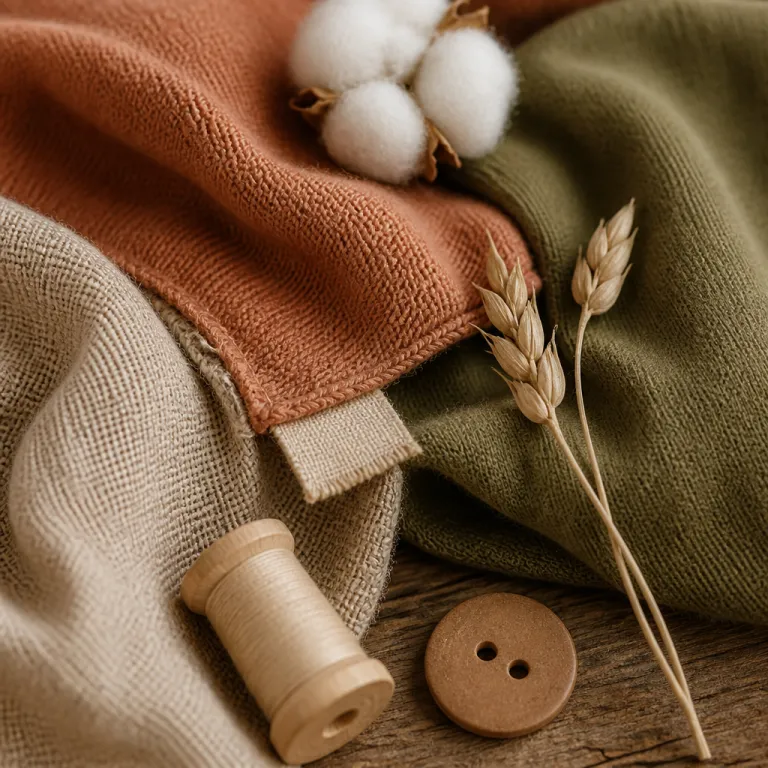
Why fabric comes first for sensitive skin kids
For style-conscious parents of fashion-loving kids, true design starts with the skin. When a child lives with eczema or atopic dermatitis, every T-shirt, pair of leggings, or dress becomes a negotiation between aesthetics, comfort, and the risk of the next eczema flare. A genuinely practical fabric guide for children with sensitive skin begins with accepting that fabric is not a finishing touch; it is the foundation of the design.
Think of your baby or older kids as people with eczema prone skin that behaves like a diva on set, reacting to the slightest friction, trapped heat, or rough seams. In this context, the best fabrics are not just soft or pretty; they must be soft, breathable, moisture wicking, and genuinely skin friendly from the first wash to the fiftieth. Parents quickly learn that even the cutest clothes can become unwearable if the fabric triggers an eczema flare on already sensitive skin.
That is why a fabric first mindset beats any trend driven haul when dressing babies and children. A thoughtful approach to clothing for sensitive skin asks three questions for every item of clothing: what is the fabric, how is it finished, and how will it feel after a full day of movement. Once you start evaluating baby clothes and kids outfits through that lens, the gap between marketing language and real life comfort becomes very clear.
The hierarchy of skin friendly fabrics
For eczema prone or generally reactive skin, not all fabrics are created equal. Organic cotton sits at the top of most dermatologists’ lists because this cotton is grown without harsh pesticides and, when certified by labels such as Oeko Tex Standard 100 or GOTS (Global Organic Textile Standard), finished with fewer chemical residues that can irritate sensitive skin.1,2 In practice, organic cotton T shirts, leggings, and baby clothes in light to mid weight knits (around 120–200 gsm) tend to feel more soft and breathable against children who are eczema prone or living with atopic dermatitis.
Right beside organic cotton in any serious wardrobe plan for sensitive skin, you will find bamboo and bamboo viscose. These bamboo based fabrics have a naturally smooth fiber surface that glides over baby eczema patches and reactive skin, and many parents of babies and older kids with eczema clothing needs report that cotton bamboo blends give them the best of both worlds. When you choose bamboo viscose or cotton bamboo pieces, look for Oeko Tex certification and avoid heavy plastisol prints that can stiffen the fabric and reduce that soft, breathable feel.
Merino wool and Tencel lyocell complete the quartet of best fabrics for eczema friendly wardrobes. Fine merino wool, not the scratchy wool from your childhood, offers temperature regulation and moisture wicking that keeps children’s skin drier and less prone to overheating under clothing.3 Tencel lyocell, made from wood pulp, has a silky smooth fabric surface that many people with eczema describe as cooler and more breathable than conventional synthetic fabrics.
Organic cotton, bamboo, silk and merino wool in real wardrobes
On paper, organic cotton sounds ideal for every baby, but in real wardrobes you need to understand how different weights and weaves behave on sensitive skin. A thick organic cotton French terry sweatshirt (250–300 gsm) can still feel heavy and warm on eczema prone kids, while a lightweight organic cotton jersey or muslin (100–150 gsm) lets the skin breathe and reduces the risk of an eczema flare. For babies with baby eczema, organic cotton bodysuits with minimal seams and envelope necklines are often the most comfortable starting point.
Bamboo and bamboo viscose fabrics come into their own for sleepwear and base layers, where constant contact with the skin can either soothe or aggravate atopic dermatitis. Many parents of babies and children with reactive skin rotate between organic cotton and cotton bamboo pyjamas to see which fabric their kids tolerate best over long nights. When you shop for bamboo baby clothes or kids loungewear, run your hand along the inside to check that the fabric feels soft and breathable rather than slippery or clingy, which can happen with lower quality bamboo viscose blends.
Silk and merino wool sound like luxury fashion kid fabrics, yet they can be surprisingly practical for eczema clothing when chosen carefully. Pure silk underlayers are ultra soft on sensitive skin, but they can be fragile and less free of maintenance for everyday playground wear. Fine merino wool base layers, especially those labeled as Oeko Tex certified and machine washable, offer a friendly balance of warmth, moisture wicking, and breathable comfort for children who refuse bulky coats but still have eczema prone skin.
How fabric choice shapes style
Style does not disappear when you prioritise sensitive skin; it just shifts from prints to texture and cut. A cotton bamboo ribbed legging in a muted tone can look more elevated than a loud synthetic fabrics legging, while feeling infinitely kinder to reactive skin. For dressier moments, layer a silk blend slip under a tulle skirt, such as a three layered tutu skirt for dress up parties, so that the scratchy fabric never touches the skin directly.
Parents who care deeply about kids’ fashion often build capsule wardrobes around a few hero fabrics that their babies and children tolerate well. That might mean organic cotton T shirts, bamboo viscose pyjamas, merino wool cardigans, and Tencel lyocell dresses, all in colours that mix easily so clothes feel intentional rather than medical. This fabric led approach keeps the focus on silhouettes and styling while quietly respecting the reality of eczema clothing needs.
Over time, you will notice that your child’s favourite clothes are almost always the softest and most breathable pieces. Those are the items where the fabric, seams, and tags disappear against sensitive skin, letting kids move without thinking about what they are wearing. That is the real luxury in children’s fashion for people with eczema or sensory issues.
Fabrics to avoid and the hidden irritants in kidswear
Once you understand which fabrics love your child’s skin, the next step in any clothing strategy for sensitive skin is learning what to avoid. Synthetic fabrics such as polyester and nylon dominate mainstream kids clothing because they are cheap, durable, and hold colour well, but they often trap heat and sweat against the skin. For eczema prone babies and children, that trapped moisture can quickly lead to an eczema flare in flexural areas like elbows, knees, and necklines.4
Even when synthetic fabrics feel soft on the hanger, their low breathability and poor moisture wicking make them risky for people with eczema or atopic dermatitis. A polyester fleece pyjama may feel cuddly at bedtime, yet by midnight it can leave a baby’s skin damp and overheated, especially if the child already has baby eczema. Blends that mix a small percentage of synthetic fibers into cotton or bamboo can be acceptable for some kids, but you need to watch how reactive skin responds over several wears.
Conventional cotton is another grey zone in eczema clothing, because the word cotton alone does not guarantee a skin friendly fabric. Non organic cotton can carry residues from pesticides or formaldehyde based wrinkle free finishes that irritate sensitive skin, particularly in babies and younger children.5 When in doubt, prioritise organic cotton or Oeko Tex certified cotton, and always wash new clothes before they touch eczema prone skin.
Seams, tags, dyes and finishes
Fabric is only half the story; construction details can make or break clothing for sensitive skin. Overlocked seams create raised ridges that rub against reactive skin, while flatlock seams lie almost flush and are far more friendly for babies and kids with eczema or sensory processing differences. Tagless labels or printed care instructions are usually better than stiff sewn in tags, which can feel like sandpaper on the neck of a child with atopic dermatitis.
Dyes and finishes also matter in a serious guide to clothing for sensitive skin families can use long term. Dark, saturated colours and heavily printed fabrics often require more dye and finishing chemicals, which can bother eczema prone or generally sensitive skin, especially in tight areas like waistbands. Look for lighter shades, undyed organic cotton, or garments labelled as using water based dyes, and always run an extra rinse cycle to remove any free dye particles before your baby or children wear new clothes.
Regulation is slowly catching up with what parents of people with eczema already know. In the United States, for example, the Consumer Product Safety Commission (CPSC) now requires electronic filing of children’s product certificates, which pushes brands to document materials and finishes more clearly. Staying informed about these compliance changes helps you ask sharper questions and choose clothing that respects both sensitive skin and safety standards.
Weather, layers and outerwear
Outerwear is where many eczema friendly wardrobes quietly fall apart. A breathable organic cotton base layer or Tencel lyocell T shirt can only do so much if it is trapped under a non breathable synthetic fabrics raincoat. When you shop for rain gear or snow suits, prioritise pieces with soft linings, mesh ventilation, and enough room to layer merino wool or cotton bamboo underneath without compressing the fabric against the skin.
For wet weather, think in terms of systems rather than single statement pieces. A soft, breathable merino wool underlayer, a mid layer in organic cotton fleece, and a shell that blocks wind and rain but still allows moisture wicking will serve eczema prone kids better than one thick, plasticky coat. This layered approach lets you adjust quickly when a child with sensitive skin overheats, which is often the first step toward an eczema flare.
Rainy day style for parents who love fashion is less about glossy finishes and more about how comfortably children can move, jump, and peel off layers. When the outer shell is slightly oversized and the inner fabrics are chosen with sensitive skin in mind, kids stay drier, calmer, and more willing to wear their clothes. That is the kind of quiet design intelligence that never shows up in product photos but transforms daily life.
Sensory processing, tags and adaptive details
Not every child with sensitive skin has eczema, and not every child with eczema has sensory processing differences, but the wardrobe challenges often overlap. Many babies and kids with sensory sensitivities experience seams, tags, and certain fabrics as almost painful, even when the skin looks normal. For these children, a clothing guide for sensitive skin must also function as a sensory friendly style manual.
Start by auditing your child’s current clothes for obvious irritants. Run your fingers along every inside seam, neckline, and waistband, paying attention to where the fabric or stitching feels rough, bulky, or scratchy against your own skin. If a tag or seam bothers you for even a second, it will likely be unbearable for a baby with baby eczema or a child with reactive skin and sensory processing differences.
Flatlock seams, wide waistbands in organic cotton or cotton bamboo, and tagless labels are not marketing extras; they are adaptive design features for people with eczema and sensory issues. Some adaptive kidswear brands now offer seamless socks, compression style tops, and leggings in bamboo viscose or Tencel lyocell that hug the skin without digging in. These pieces can be game changers for children who usually refuse clothing because every fabric feels wrong.
How to read labels like a fabric expert
Most care labels list fabric composition but say nothing about finishes, so you need to read between the lines. A garment that is 95 percent organic cotton and 5 percent elastane can still be an excellent choice for eczema clothing if the cotton is Oeko Tex certified and the elastane is fully encased. By contrast, a piece labelled as 100 percent polyester or generic synthetic fabrics is rarely the best fabric choice for eczema prone or sensitive skin, no matter how soft it feels in store.
Look for clear mentions of organic cotton, bamboo viscose, Tencel lyocell, or merino wool, and treat vague phrases like “eco fabric” or “skin friendly” with caution. Certifications such as Oeko Tex Standard 100 or GOTS do not guarantee a garment is perfect for atopic dermatitis, but they do indicate that the finished clothing has been tested for certain harmful substances.1,2 When you combine these labels with your own touch test and your child’s feedback, you build a more reliable wardrobe plan for sensitive skin families can trust.
Over time, you will recognise which brands consistently use soft, breathable fabrics and thoughtful construction for babies and children. Those are the labels worth investing in, even if you buy fewer pieces overall, because every item actually gets worn. Fashion for kids with eczema or sensory issues becomes less about chasing trends and more about curating a small, high functioning wardrobe that respects their skin.
Age specific quirks for babies and toddlers
Babies and toddlers bring their own fabric challenges, because their skin barrier is still developing and they spend long stretches in direct contact with clothing. For baby eczema, avoid tight elastic at wrists and ankles, and choose baby clothes with fold over cuffs in organic cotton or cotton bamboo that protect reactive skin from scratching. Rompers with minimal seams across the torso and legs reduce friction on atopic dermatitis patches, especially during naps and car rides.
As children start to walk and climb, knee and elbow areas become high friction zones where eczema flare ups often appear. Reinforced panels in merino wool or double layered organic cotton can protect the skin without resorting to stiff synthetic fabrics patches. Always check that any reinforcement is lined with a soft fabric layer, so that the tougher outer fabric never rubs directly against sensitive skin.
For potty training and early school years, underwear becomes a surprisingly important part of an eczema friendly wardrobe. Choose briefs and undershirts in organic cotton or bamboo viscose with wide, soft waistbands and minimal internal labels. When the base layer is comfortable, children are more tolerant of fashion forward outer layers, even if those pieces are not perfect from a fabric perspective.
Washing, caring and building a long term fabric strategy
Even the best fabrics can turn against sensitive skin if they are washed with the wrong products. Fragrance free detergent is non negotiable for babies, kids, and people with eczema, because perfumes and optical brighteners often linger in the fabric and irritate reactive skin.6 Use a small amount of detergent, run an extra rinse cycle, and skip fabric softener, which coats fibers and can make even organic cotton or bamboo viscose feel less breathable.
Line drying is kinder to both clothing and skin than high heat tumble drying. When you hang organic cotton, cotton bamboo, merino wool, or Tencel lyocell garments to dry, the fabric retains more of its natural softness and moisture wicking properties, which matters for eczema prone children who live in these clothes every day. If you must use a dryer, choose a low heat setting (around 40 °C) and remove items while they are still slightly damp, then smooth them by hand to avoid stiff creases against sensitive skin.
Stain removal is another pressure point for parents who love pale, minimalist palettes but live with real babies and children. Pre treat stains with a gentle, fragrance free soap or non bio liquid, and avoid chlorine bleach, which can weaken fibers and leave residues that bother atopic dermatitis patches. Over time, you will learn which fabrics in your sensitive skin wardrobe tolerate frequent washing best, and those become your everyday heroes.
Planning a capsule wardrobe for eczema prone kids
A capsule wardrobe for eczema prone or generally sensitive skin children starts with base layers. Aim for a small stack of organic cotton or cotton bamboo T shirts, leggings, and pyjamas, plus a few merino wool or Tencel lyocell pieces for cooler days, all in colours your kids actually like. Then add a handful of statement items, such as a favourite dress or jacket, knowing that these outer layers will sit on top of the soft, breathable fabrics that touch the skin.
When you shop, think in outfits rather than single pieces. Ask yourself whether a new item will work with at least three existing garments in your child’s wardrobe, and whether the fabric, seams, and tags respect their sensitive skin. This approach keeps you focused on clothing that earns its place in daily rotation, rather than impulse buys that stay in the drawer because they trigger an eczema flare.
Over months and years, your family’s personal clothing guide for sensitive skin will become more precise. You will know which blends of organic cotton and bamboo viscose your baby tolerates, which merino wool weights your children prefer, and which brands consistently deliver eczema friendly construction. In the end, the most stylish kids are the ones who forget what they are wearing because their clothes feel like a second skin, not what photographs well, but what survives the playground.
When to seek professional guidance
If your child’s skin remains very reactive despite careful fabric choices, it is time to involve a dermatologist or paediatric allergist. Persistent atopic dermatitis, frequent infections, or severe night time itching are medical issues, not just fashion problems, and they deserve expert evaluation.4,6 Bring a few examples of your child’s everyday clothing to the appointment, so the specialist can see the fabrics and finishes that touch their sensitive skin for hours.
Medical treatment and a thoughtful wardrobe work together for people with eczema, especially babies and young children who cannot yet explain what feels wrong. When a doctor adjusts topical treatments while you refine fabrics, seams, and washing routines, eczema flare ups often become less intense and less frequent. That is the quiet power of a fabric first mindset in kids fashion.
Parents sometimes feel guilty about retiring brand new clothes that irritate their child’s skin, but this is not wasteful; it is protective. Pass those pieces on to families whose children do not have reactive skin or sensory issues, and reinvest in fabrics that respect your child’s reality. Style for sensitive skin kids is not about perfection, it is about paying attention and letting the skin lead the wardrobe.
FAQ
What are the best fabrics for kids with eczema or sensitive skin ?
The best fabrics for children with eczema or generally sensitive skin are organic cotton, bamboo viscose, Tencel lyocell, and fine merino wool. These materials tend to be soft, breathable and offer better moisture wicking than most synthetic fabrics, which helps reduce overheating and sweat build up that can trigger an eczema flare.3,4 Always look for certifications such as Oeko Tex Standard 100 or GOTS and wash new clothes before use to remove any remaining finishes.
Is organic cotton really better than regular cotton for baby eczema ?
Organic cotton is usually a better choice for baby eczema and atopic dermatitis because it is grown without certain pesticides and often finished with fewer harsh chemicals. Regular cotton can still work for some babies, but it may carry more residues from farming and wrinkle resistant treatments that irritate reactive skin.1,5 If your baby has frequent flare ups, prioritise organic cotton or cotton bamboo blends and monitor how their skin responds over several wears.
Should I avoid all synthetic fabrics for my child with eczema ?
You do not have to avoid every synthetic fabric, but you should be selective, especially for items that sit close to the skin for long periods. Pure polyester or nylon pieces often trap heat and sweat, which is unhelpful for eczema prone children, while small amounts of elastane in organic cotton or bamboo viscose can improve fit without overwhelming the fabric. Use synthetic fabrics mainly for outer layers and keep base layers in organic cotton, bamboo, merino wool, or Tencel lyocell.
How should I wash clothes for a child with atopic dermatitis ?
Wash clothing for children with atopic dermatitis using a fragrance free, dye free detergent, a small dose of product, and an extra rinse cycle to remove residues. Avoid fabric softeners and dryer sheets, which coat fibers and can irritate sensitive skin, even when the base fabric is eczema friendly. Line drying or low heat tumble drying helps keep organic cotton, cotton bamboo, and other soft fabrics comfortable for daily wear.
What should I look for in seams and tags for sensory sensitive kids ?
For sensory sensitive children, choose clothing with flatlock seams, wide waistbands, and tagless or printed labels to minimise friction against the skin. Raised overlocked seams, stiff neck tags, and scratchy appliqués can feel unbearable, especially on eczema prone or already irritated areas. When in doubt, turn the garment inside out and run your fingers along every seam; if it feels rough to you, it will likely bother your child.
References: 1. Global Organic Textile Standard (GOTS) criteria for organic textiles (e.g., GOTS Version 7.0, 2023). 2. Oeko Tex Standard 100 limit values for harmful substances in finished garments (e.g., OEKO-TEX® Standard 100, Product Class I for babies). 3. Su et al., “Effect of superfine merino wool on atopic dermatitis,” British Journal of Dermatology, 2017. 4. Wollenberg et al., “Consensus-based European guidelines for treatment of atopic eczema,” Journal of the European Academy of Dermatology and Venereology, 2018. 5. Hatch & Maibach, “Textile dye and formaldehyde allergy,” Clinics in Dermatology, 2014. 6. Eichenfield et al., “Guidelines of care for the management of atopic dermatitis,” Journal of the American Academy of Dermatology, 2014, including recommendations on fragrance free detergents and laundry care.