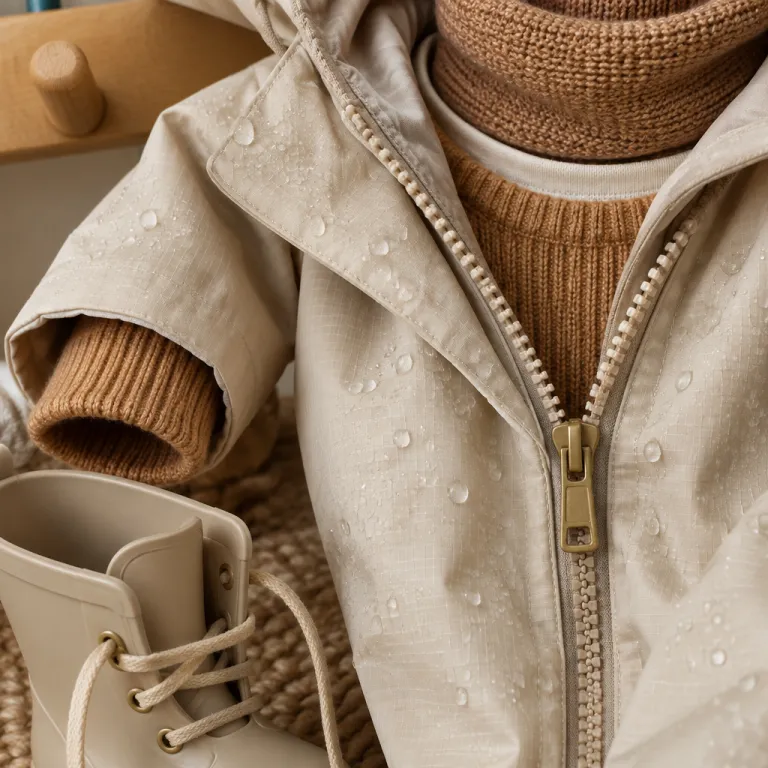
Why a kids layering system beats one perfect jacket
A smart kids layering system all-weather wardrobe guide starts with one truth ; no single jacket can handle every school run. When temperature swings from cold mornings to mild afternoons, a modular layering system lets kids add or remove layers so their body stays balanced instead of boiling or shivering. Think of each layer as gear in a flexible system, not a heavy winter coat that traps heat and moisture all day.
Parents often chase the mythical coat that keeps kids warm in cold weather yet feels light enough for active play at recess. In reality, three thoughtful layers work better than one bulky piece, because each base layer, mid layer and outer layer has a clear job in managing heat, moisture and protection from cold air and changing weather. This layering guide is less about buying more clothes and more about teaching kids to read the temperature, feel their own body and adjust their layers independently.
For fashion kid passionate families, the style bonus is real ; layers create depth, texture and color stories that a single winter coat never can. A slim moisture wicking base, a graphic fleece mid layer and a sharp waterproof jacket or water resistant shell can shift from outdoor play to café hot chocolate without looking like technical mountaineer gear. The goal is simple and elegant ; keep kids ready for cold weather, surprise drizzle and sudden sun without you carrying a spare outfit in your tote.
Base layers: what touches the body decides everything
The base layer is the quiet hero of any kids layering system all-weather wardrobe guide, because it sits directly on the body and manages moisture. When kids run, climb and play, sweat builds up fast, and if that moisture stays trapped against skin in cold air, they chill quickly even under a thick winter coat. A good base layer pulls moisture away, spreads it out and lets it evaporate so kids stay comfortable during outdoor play and active play.
Here is the hard line ; cotton is the wrong base for active kids winter dressing, because cotton absorbs moisture, holds it and then steals heat from the body as it dries. For high energy kids who sprint to the bus, synthetic moisture wicking base layers in polyester blends work best, while merino wool base pieces suit lower intensity play or very cold weather thanks to natural odor control and gentle warmth. If your child loves soft cotton, keep cotton tops for classroom time and pajamas, and choose technical base layer sets under their streetwear when the temperature drops.
Think in multiples, not singles ; two or three long sleeve base layers per child mean you can rotate between laundry days without panic. Slim fit tops and leggings in neutral colors slide under graphic tees, wide leg cargos or even those bamboo pajama style joggers that feel like loungewear but perform like gear. For sleep and slow mornings, breathable bamboo or cotton pajamas still have a place, and pieces similar to those in this spring bamboo sleepwear guide can double as cozy mid layers at home when the weather turns cold.
Mid layers: fleece, wool and the art of adjustable warmth
Once the base is set, the mid layer becomes your main dial for heat in any kids layering system all-weather wardrobe guide. This mid layer sits between base and outer layer, trapping warm air while still letting moisture escape so kids warm up without feeling swampy. For school age kids, the mid layer is usually the piece they show off, so it needs to balance insulation, style and easy on off changes.
For everyday winter layering, a zip up fleece jacket in 200 g weight is the most versatile mid layer for ages eight to fourteen, because it works under a waterproof jacket in cold weather and over a base layer on milder days. Wool sweaters bring beautiful texture and a more polished silhouette for city kids, while lightweight down or synthetic vests add core heat without bulk on the arms, which suits active play and bike rides. The trick is to avoid oversized hoodies as the only mid layer, because thick cotton fleece traps moisture and makes the whole layering system feel heavy once kids start to play hard.
Build a small rotation ; one graphic fleece, one solid color wool or wool blend knit, and one packable vest cover most temperature swings. Let your child choose color and cut, but you choose fabric and function, so the system still works when the weather turns from cold to damp in one afternoon. When you want to inject personality, pair a bold cardigan or textured knit from a curated edit like this colorful cardigan feature with technical base layers underneath and a clean layer outer shell on top.
Outer layers: waterproof, water resistant and windproof decoded
The outer layer is the visible armor of any kids layering system all-weather wardrobe guide, but its job is specific ; shield from weather, not provide all the warmth. A true waterproof jacket uses sealed seams and a membrane to block rain, while water resistant shells rely on coatings that shrug off drizzle but eventually soak through. Windproof fabrics stop cold air from stripping heat from the mid layer, which matters on exposed playgrounds and bike commutes.
In wet coastal climates, invest first in a breathable waterproof jacket with a hood, then add lighter water resistant windbreakers for shoulder seasons when temperature swings are wide. In drier but very cold weather, a technical winter coat with a removable mid layer insert can function as a full layering system, yet still separates into lighter layers for spring. Families in mixed climates often do best with two outer layers per child ; one insulated parka for deep kids winter days and one unlined waterproof shell that slips over any mid layer when rain or wind appears.
Pay attention to details that keep kids warm without bulk, like storm flaps, adjustable cuffs and high collars that block cold air at the neck. Underarm vents or two way zips help regulate heat during outdoor play, so kids can stay comfortable without unzipping completely and losing their weather barrier. When you build outer layers this way, you keep kids ready for bus stops, skate parks and last minute parkour sessions, instead of weighed down by a single heavy coat that never quite matches the day.
Teaching kids to run their own layering system
The real power of a kids layering system all-weather wardrobe guide shows on rushed school mornings, when you want kids to dress once and stay comfortable all day. A simple script helps ; base layer always on, mid layer chosen by temperature, outer layer grabbed based on weather, then adjust layers during the day as their body heats up or cools down. By middle school, most kids can read the forecast, feel the cold air at the door and pick the right layers without a parent hovering.
Turn it into a routine ; lay out base layers in one drawer, mid layers folded by weight on a shelf, and outer layers on hooks by the door, so the system is visible and intuitive. Use language they understand, like calling the base layer the second skin, the mid layer the heat keeper and the outer layer the shield, which makes the layering system feel like gear for serious play rather than fussy dressing. Accessories matter too, and a focused edit of beanies, neck warmers and gloves stored beside favorite hair clips or headbands from a curated kids hair accessories selection keeps the final details easy.
As kids negotiate their own style, let them choose colors, prints and silhouettes inside the framework of base layers, mid layers and outer layers that actually work in cold weather. You hold the line on fabric performance, like insisting on moisture wicking bases and at least one waterproof or water resistant shell, while they play with streetwear shapes and TikTok inspired proportions. In the end, the best winter layering looks are not what photographs well, but what survives the playground.
FAQ
How many layers should my child wear on a cold school day ?
For most cold weather school days, three layers work best ; a moisture wicking base layer next to the body, a warm but breathable mid layer like fleece or wool, and an outer layer that is either waterproof or at least water resistant. If the temperature is only slightly cool, you can skip the mid layer and rely on a light jacket over the base. When it is very cold, add accessories such as a hat, gloves and a neck warmer rather than piling on extra bulky layers.
Is a cotton hoodie enough as a mid layer for active kids ?
A cotton hoodie can work as a casual mid layer for short walks, but it is not ideal for active play in cold weather. Cotton absorbs moisture and holds it, which means sweat stays against the skin and makes kids feel cold once they stop moving. Technical fleece or wool blends insulate better, dry faster and keep kids warm across changing temperature and activity levels.
What is the difference between waterproof and water resistant jackets for kids ?
Waterproof jackets use sealed seams and specialized membranes or coatings to block rain from penetrating the fabric, even in sustained downpours. Water resistant jackets rely on lighter treatments that repel light rain or drizzle but eventually let water through in heavier weather. For kids who walk to school or spend long periods outside, a breathable waterproof jacket is usually the more reliable outer layer, while water resistant shells suit milder, drier climates.
How can I help my child manage layers independently during the day ?
Start by explaining the role of each layer in simple terms, then practice at home by having your child add or remove their mid layer and outer layer based on how warm they feel. Store base layers, mid layers and outer layers in clearly defined spaces so the system feels easy to follow. Encourage them to check the weather each morning and choose their own combination, then debrief after school about what felt too warm or too cold to refine their choices.
Do I need different layering systems for sports and everyday wear ?
The basic three layer structure stays the same for sports and everyday wear, but fabrics and fits may change. For high intensity sports, prioritize lightweight, close fitting moisture wicking base layers and very breathable mid layers, then add a flexible outer layer that blocks wind and light rain. For daily outfits, you can relax the performance level slightly and lean into style, as long as the base still manages moisture and the outer layer matches your local weather.