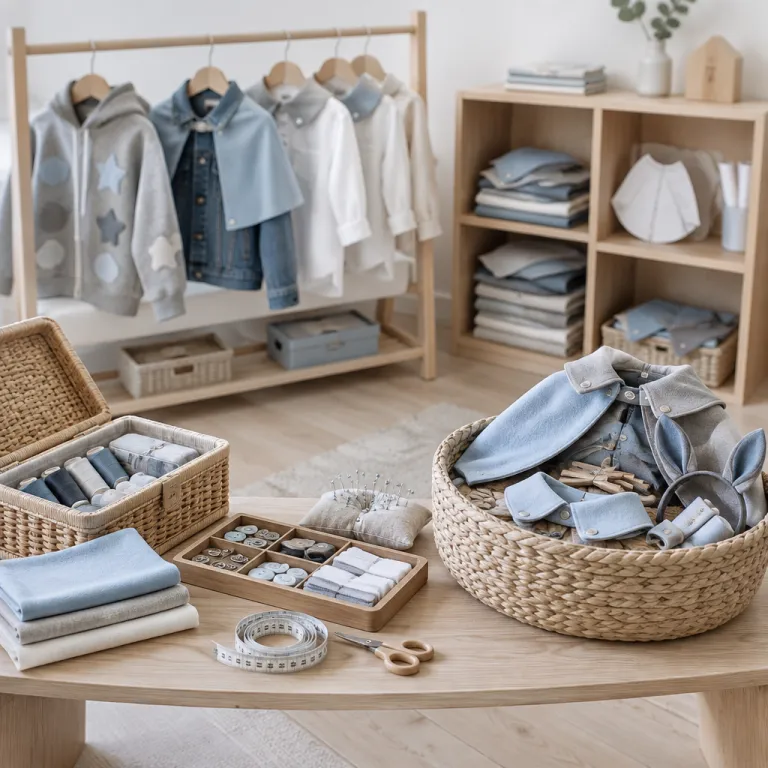
The costume as outfit: building characters from real clothes
Halloween for style savvy parents is no longer about single use polyester. Treat it as a styling exercise where reusable kids Halloween costume outfit ideas sustainable enough for daily wear become the real stars. When you start from the wardrobe, halloween costumes stop being clutter and start becoming costume ideas that stretch far beyond one party.
Begin with a wearable base that your kids will reach for all year. A black organic cotton turtleneck, soft leggings and a tulle skirt in inky navy can morph into a bat halloween costume with a cape, then a ballet outfit for a winter recital, then a layering piece under snow pants you have already researched through a technical kids outerwear guide. This is where reusable pieces turn halloween from a waste heavy event into a planet friendly wardrobe moment.
Think in silhouettes, not characters, when you sketch your costume ideas. A cape style jacket in brushed cotton can be a little vampire at trick treating time, then a drama filled top layer for school runs, then part of a green Halloween photo shoot with cousins. When you build costumes from real clothes, every year costumes feel less store bought and more personal, and your kids sense that planet personal connection.
Accessories do the narrative heavy lifting, so keep the base simple. A slim black dress plus striped tights becomes a witch with a pointed cardboard hat, then a Wednesday Addams nod with braids, then a perfectly normal outfit for a museum day. This costume as outfit method is the backbone of reusable kids Halloween costume outfit ideas sustainable enough to survive both the playground and the washing machine.
Materials matter if you want friendly costumes that age well. Choose organic cotton tees for sensitive skin, wool blend cardigans that breathe during a warm indoor party, and tights with enough elastane to handle years of dress up. When halloween doesn feel like a synthetic sauna, kids stay in character longer and the costume will quietly re enter rotation once the trick treat sugar crash is over.
Face paint should be treated like skincare, not craft paint. Look for water based, fragrance free formulas with short ingredient lists and test them on a small patch of skin before the big night. A swipe of safe face paint and a pair of ears can turn everyday clothes into halloween costumes that feel effortless, not over produced.
Age by age: from toddler onesies to schoolyard style experiments
Toddlers live in motion, so halloween costume planning starts with nap friendly comfort. For one to three years, think animal onesies in organic cotton fleece that double as pyjamas once the party ends. A soft fox costume with a detachable tail is more reusable than a stiff store bought suit that your child will rip off before the first trick treating stop.
Parents of pre school kids often ask how to balance eco friendly choices with real budgets. The honest answer is that reusable kids Halloween costume outfit ideas sustainable enough for daily life usually save money over two or three years, especially when siblings inherit pieces. If you are weighing price versus ethics, this deeper look at who really pays for ethical kids fashion helps frame why planet friendly materials and fair labour are not optional extras.
For toddlers, keep costume ideas extremely literal because small kids need visual clarity. A brown hoodie with felt ears, leggings and soft booties becomes a bear for halloween, then a neutral outfit for daycare, then a cosy layer under a snowsuit when the temperature drops. One set of pieces, three seasons of use, minimal textile waste and zero tantrums about scratchy seams.
By early school years, kids want a say and that is where diy culture shines. Lay out their existing wardrobe on the bed and ask which pieces feel like a superhero, which feel like a scientist, which feel like a forest fairy, then build costumes from those answers. This personal curation turns halloween costumes into a style workshop, not a last minute dash for free shipping on a plastic cape.
For five to eight years, set a rule that any new costume element must work at least three ways. A pair of metallic sneakers can be part of a space explorer halloween costume, a birthday party outfit and a regular school day look. A denim jacket with iron on patches can signal a rock star on October thirty first, then a daily staple for the rest of the year.
Tweens are ready for more ambitious diy projects that respect their growing taste. Hand them cardboard, fabric scraps and a glue gun, then challenge them to create friendly halloween accessories that match their favourite jeans and tees. When they build their own planet friendly props, they understand why sustainable Halloween is less about perfection and more about process.
Accessories first: the three piece rule for planet friendly drama
Most iconic costumes are recognisable from three elements, not twenty. Use that three piece rule to keep halloween costumes focused, planet friendly and reusable across years and siblings. When you invest in a few well made accessories, every year costumes feel fresh without adding more waste to the planet.
Start with wings, capes and hats in real fabrics rather than crunchy synthetics. A pair of sturdy bat wings in organic cotton canvas can be worn over pyjamas for a bedtime story, over a black dress for a halloween party and over a sweater for a school play. That is the heart of reusable kids Halloween costume outfit ideas sustainable enough to justify their hanger space.
Masks are where store bought options often fail kids. Many are stiff, poorly cut and impossible to wear with glasses, which means they spend most of the night pushed up on the head while the child trips over a too long costume. Choose soft fabric masks with adjustable elastic and make sure your child can see kerbs and steps clearly during trick treating.
Face paint can replace masks entirely for some kids, especially those with sensory sensitivities. A simple cat nose and whiskers, paired with a striped tee and leggings, becomes a halloween costume that slides back into the drawer as regular clothes the next morning. This is friendly halloween styling that respects both the child and the planet.
Quality props also matter for safety and longevity. Swap plastic swords for cardboard versions reinforced with fabric tape, and choose lantern style lights on wrist straps instead of loose torches that will be dropped by the second house. These details keep costumes eco friendly while still delivering the drama kids crave.
Look at how genuinely planet focused labels approach this space. Brands like Mini Rodini, Frugi and the trailblazing Planet Clothing, profiled in this piece on how one kidswear brand is changing everyday dressing, show that organic cotton capes, reversible tutus and neutral toned cloaks can live many lives. When accessories are designed as wardrobe pieces first and halloween extras second, families naturally shift toward sustainable Halloween habits.
Beyond October: swaps, storage and the next costume cycle
The most sustainable halloween costume is the one that gets worn again. Think of November as the real test of whether your reusable kids Halloween costume outfit ideas sustainable enough for daily life actually worked. If the cape, skirt or jacket is still in rotation by the end of the year, you have nailed it.
Start by creating a dedicated dress up zone at home. A low rail or basket filled with past halloween costumes, old dance outfits and retired party clothes invites kids to remix pieces during playtime. When costumes become part of everyday imagination, you automatically extend their years of use and reduce textile waste.
Costume swaps between families are the quiet engine of green Halloween culture. Host a pre season afternoon where each family brings two or three clean, gently used costumes or accessories, then let the kids trade under a simple one in, one out rule. This keeps friendly costumes circulating through the community and stops them from languishing in storage boxes.
Rental services can make sense for elaborate looks that your child will wear only once. Think historical gowns for school plays, mascot suits for community events or highly specific character costumes that do not translate into daily outfits. Renting keeps those heavy materials in circulation and prevents one night purchases that the planet cannot absorb.
When you do buy new, treat shipping as part of the environmental equation. Choosing slower delivery instead of rushed free shipping often means more consolidated transport and fewer half empty vans on the road. Small decisions like this, repeated across thousands of families, shape how friendly halloween really is for the planet.
Finally, audit your costume box every year before you start planning. Pull out anything that no longer fits, then decide whether it becomes a hand me down, a swap item or raw materials for a diy project. The goal is simple ; nothing should be one and done, because real style for kids is not what photographs well, but what survives the playground.
FAQ
How can I make my child’s halloween costume more eco friendly without spending more ?
Start by shopping your child’s existing wardrobe and building costume ideas from clothes they already love. Add one or two reusable accessories, like a cape or hat, that can work for multiple characters and years. This approach usually helps you save money while keeping waste and new materials to a minimum.
Are organic cotton costumes really better for kids and the planet ?
Organic cotton is grown without synthetic pesticides and often uses more responsible farming methods, which is better for soil health and farm workers. For kids, organic cotton fabrics tend to be softer and gentler on sensitive skin, especially when worn for long party nights. Choosing organic pieces that double as everyday wear makes the most of that higher quality fibre.
What is the best way to store costumes so they last for several years ?
Always wash or spot clean costumes before storing them, following the care label closely. Fold or hang them in a breathable fabric bag or box, away from damp basements or hot attics that can damage elastic and face paint residues. Keeping accessories together in labelled pouches makes it easier to rebuild full costumes next year.
How do I handle store bought costumes my child insists on having ?
If your child wants a specific store bought halloween costume, size up slightly so it can be layered and reused for dress up play. Look for versions made from better materials, like cotton blends instead of pure polyester, and avoid excessive plastic accessories. After halloween, integrate any wearable pieces into their regular wardrobe or pass the full costume to another family.
What can I do with costumes once my kids have outgrown them ?
First, offer them to friends, cousins or local parenting groups where younger kids can enjoy them. Pieces that are too worn for another child can be deconstructed into diy craft materials, from cardboard crowns to fabric capes for dolls. Many schools and community theatres also welcome donations of gently used costumes for their drama cupboards.