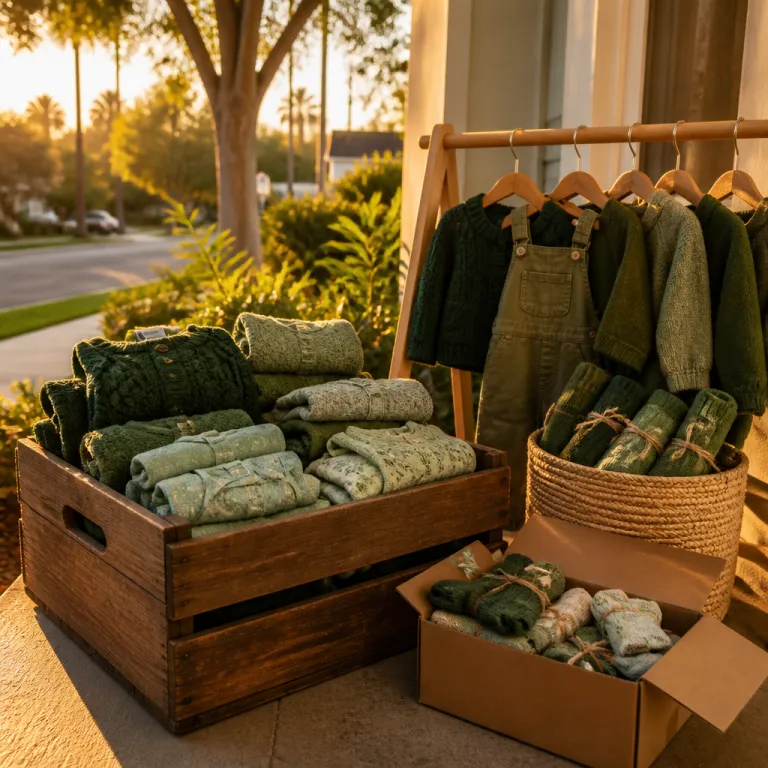
California SB 707 textile recycling kidswear impact at home
California’s Responsible Textile Recovery Act, known as SB 707, quietly flipped the script on kidswear this summer. For the first time in the United States, large kids apparel brands selling into California must fund textile recovery systems instead of leaving parents alone with overflowing drawers of outgrown leggings and tiny sneakers. This is not abstract policy ; it is a new price line on every cotton romper, fleece hoodie and pair of toddler footwear you buy.
The law creates a textile extended producer responsibility framework, often shortened to textile EPR, which makes each covered producer pay into a centralized responsibility organization that manages collection and recycling. California chose Landbell USA as the state designated Producer Responsibility Organization, so any approved producer selling kids apparel textile products or kids textiles like bedding into the state must register there to stay in compliance. Non compliance can trigger fines of up to 10 000 dollars per day for standard violations and 50 000 dollars per day for knowing violations, a level of responsibility EPR pressure that even global groups cannot ignore.
For parents, the immediate California SB 707 textile recycling kidswear impact shows up in three places. First, more visible textile recovery points in malls, supermarkets and kidswear stores, where you will be able to drop off stained leggings, ripped T shirts and worn out socks alongside small kids footwear. Second, subtle price shifts as brands factor producer responsibility fees into their cost structure, a reality unpacked in depth in this analysis on who really pays when kids fashion gets ethical. Third, clearer product safety and fabric content information on labels, because the same data that feeds textile recovery systems also sharpens safety testing and traceability across the supply chain.
How brands, producers and parents share responsibility for kidswear waste
SB 707 lands in a kids fashion industry already wrestling with overproduction, micro trends and the churn of capsule drops. Under the new California textile EPR law, covered producers of kids apparel, home textiles and some categories of kids footwear must report detailed fiber content, garment weights and material specifications to the responsibility organization. That means every sweatshirt dress, denim dungaree and quilted jacket for ages 1 to 5 now carries data that links design choices directly to textile recovery outcomes.
In practice, this producer responsibility shifts part of the environmental burden away from families and onto brands and textile producers that have historically externalized waste. Large apparel groups operating in California must join the Landbell USA organization pro, pay fees based on the volume and type of textiles they place on the market, and support textile collection and recovery textile infrastructure across the state. Smaller labels under one million dollars in global revenue and secondhand sellers are exempt, which protects micro brands and resale platforms that already operate as de facto support textile systems by extending garment life.
Parents still hold power in this new landscape, especially those already curating eco friendly collections for toddlers and preschoolers. Choosing responsible textile options, such as organic cotton fleece or recycled polyester outerwear, now sends a clearer signal through the apparel textile supply chain because the responsibility organization tracks what enters and exits the system. When you buy from California responsible brands that publish a transparent report on their textile recovery strategy and sign up early for the EPR law requirements, you are effectively voting for a model where product safety, durability and recyclability matter as much as print and palette.
From recycling bins to playroom wardrobes: what changes in real kids’ closets
The most tangible California SB 707 textile recycling kidswear impact will show up not in policy documents, but in your hallway storage bench. Expect more in store take back schemes where you can return outgrown joggers, pyjamas and even soft soled footwear in exchange for modest credits, because brands now have a financial incentive to channel textiles into approved textile recovery streams. These programs will sit alongside municipal drop off points, giving urban and peri urban parents more practical options than stuffing old apparel into charity bags that may never reach a second child.
For style savvy families, this shift pairs naturally with a slower, heirloom minded approach to kidswear. Thoughtful guides such as this piece on the return of heirloom kidswear show how buying fewer, better garments reduces waste long before textile recovery kicks in. SB 707 does not replace that mindset ; it underpins it, by forcing the apparel industry to back up its eco friendly storytelling with hard infrastructure, audited testing for product safety and transparent content reporting on every kidswear line sheet.
There is also a quiet cultural shift underway as California’s model becomes a reference point for other states in the United States that are exploring similar textile EPR frameworks. Parents who already question kidswear overconsumption, as discussed in this analysis of whether the industry can grow without pushing families to buy more, will find new leverage in the language of extended producer responsibility and approved producer obligations. The law will not choose your child’s cardigan, but it will reward the brands that design for long wear, easy repair and clean end of life, which is ultimately what matters in kids fashion ; not what photographs well, but what survives the playground.