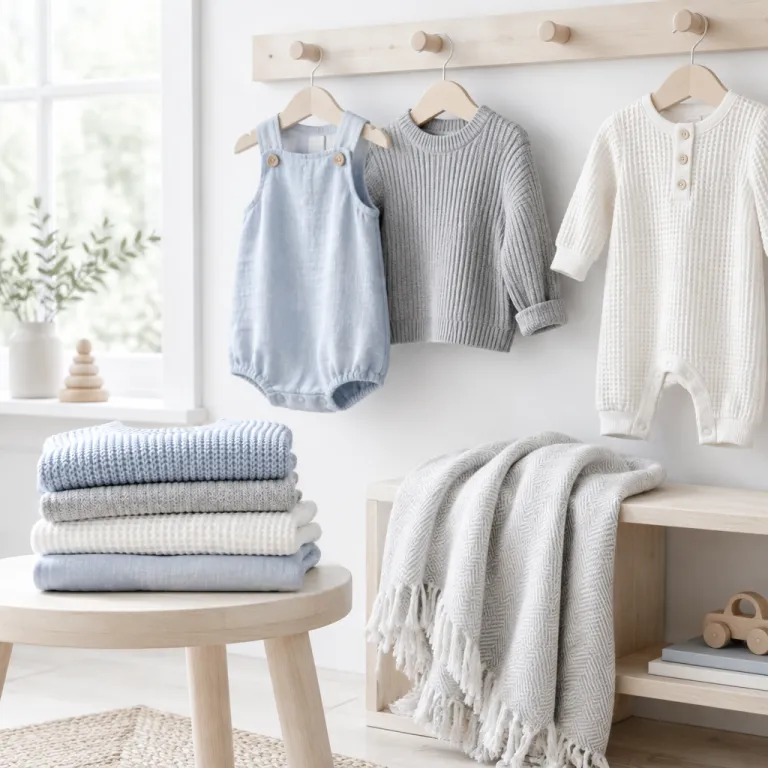

Why gender neutral children’s clothes are redefining style
Gender-neutral children’s clothes now sit at the center of kids’ fashion, reshaping how families think about style, comfort, and identity. Parents who once shopped strictly in boys’ or girls’ aisles are shifting toward inclusive clothing that respects movement, self-expression, and play. This quiet revolution is changing how every baby, child, and tween experiences personal style and how wardrobes are shared at home.
Designers focus on unisex clothing that lets children move freely, whether they wear short-sleeve tops, long-sleeve layers, or relaxed onesies. Instead of rigid pink-or-blue codes, they build each collection story around earthy tones, sun-washed pastels, and graphic prints that suit all kids. The result is a new generation of kids’ clothes where gender-neutral design feels refined, not radical, and where a single capsule can serve siblings over several years.
Retailers once pushed separate kids’ clothing lines, but now many present a single rail of neutral silhouettes. You see baby clothes, kids’ outfits, and children’s clothing arranged by size, fabric, and function rather than by gender labels. This layout encourages parents to choose pieces based on texture, sleeve length, and climate instead of stereotypes, and it mirrors how many families already organize shared wardrobes at home.
For babies, neutral onesies and matching socks form the foundation of a modern wardrobe. A soft organic cotton bodysuit in oatmeal or clay works for any baby, and parents often buy the same set in multiple sizes. As one London-based parent explains, “We bought a stack of neutral bodysuits for our first child, and they’ve now gone through three cousins without ever feeling out of date.” These gender-neutral basics make gifting easier, especially when the baby’s gender is private or simply irrelevant to the clothes.
Older children benefit from neutral wardrobes that mix short shorts, relaxed trousers, and swim sets without coded prints. A unisex swim set with UPF fabric protects delicate skin from the sun while staying stylish at the pool. When kids choose their own clothes, they often gravitate toward this kind of neutral clothing because it feels versatile and easy, and because it lets them focus on favorite colors or motifs rather than on labels.
From a practical angle, gender-neutral children’s clothes extend the life of every garment within a family. A high-quality bodysuit or short-sleeve tee can move from older sister to younger brother, or between cousins, without feeling dated. This approach supports more mindful consumption and aligns with conversations about overconsumption in kidswear, as explored in this analysis of the kidswear overconsumption problem.
Rising designers leading the neutral kidswear movement
A new wave of rising designers treats gender-neutral children’s clothes as a creative playground. They design kids’ clothing where cut, fabric, and function matter more than labels on a tag. These designers understand that neutral wardrobes can still feel expressive, luxurious, and fun, and they often draw on adult ready-to-wear trends to keep children’s clothing feeling current.
Many of these studios start with baby clothes because infant wardrobes rely heavily on onesies, bodysuit silhouettes, and soft socks. A neutral baby capsule might include a ribbed bodysuit, a short-sleeve romper, and a knit set in sand or moss tones. Each piece works alone or as part of a bundle that helps parents build outfits quickly, especially when they are shopping sleep-deprived or in a hurry.
As their brands grow, these designers expand into kids’ clothes and full children’s clothing collections. They introduce unisex swim sets, sun hats, and lightweight short-sleeve tops that layer under hoodies or jackets. The focus stays on neutral clothing that transitions from playground to party with minimal effort, and that can be handed down without feeling tied to a specific gendered trend.
Some labels experiment with pricing strategies that keep gender-neutral pieces accessible. They might launch a limited capsule at regular price, then offer a curated set on promotion during mid-season. This balance between full price and markdowns helps families invest in quality while still respecting a realistic budget, especially when parents are building wardrobes for multiple children at once.
Digital boutiques often use thoughtful navigation so parents never feel forced into gendered paths. Instead of separate boy and girl menus, they may highlight filters by size, age, and fabric that support a smoother experience. Clear product pages with straightforward language make it easy to compare neutral options across baby and kids’ ranges, and to understand how a single piece can work across seasons.
Rising designers also collaborate with content creators who champion unisex style for kids. Editorials might pair a neutral baby bodysuit with a chic adult tee, echoing the styling ideas seen in features about the chic charm of coordinated mama shirts. These stories show that gender-neutral children’s clothes can feel aspirational while remaining deeply practical, and they help parents visualize how neutral outfits look in real family settings.
Design details that make gender neutral children’s clothes work
The success of gender-neutral children’s clothes lies in meticulous design details. Fabric choice, seam placement, and sleeve length all influence how children feel in their clothes. When designers prioritize comfort and movement, neutral clothing becomes the most desirable option in the wardrobe and an easy default for busy mornings.
For babies, onesies and bodysuit designs need strategic snaps and soft bindings. A well-cut short-sleeve bodysuit in organic cotton prevents irritation and allows easy diaper changes. Matching socks with gentle ribbing keep tiny feet warm without leaving marks on delicate skin, and neutral tones make it simple to pair them with any outfit already in the drawer.
In kids’ clothing, the cut of shorts, trousers, and tops must respect different body shapes. A unisex short with an elastic waist and adjustable drawstring works across ages and genders. Designers often pair these shorts with boxy short-sleeve tees that skim the body rather than cling, so children can run, climb, and sit comfortably throughout the day.
Swim pieces in gender-neutral collections focus on protection and durability. A long-sleeve or short-sleeve swim set with a high UPF rating shields children from the sun during long beach days. Neutral palettes such as rust, slate, and seafoam feel sophisticated while remaining playful, and they photograph well for family holiday albums.
Thoughtful brands also consider how children use their clothes in real life. They add reinforced knees to joggers, double-stitched hems to shorts, and lined hoods to jackets. Articles about why hoodies from Hawaii are making waves in kids fashion highlight how climate-responsive design can still align with gender-neutral aesthetics and support outdoor play in different regions.
Even digital details matter when presenting gender-neutral children’s clothes online. Clear size charts in centimeters, transparent information about regular and sale prices, and accessible product descriptions all build trust. When parents feel informed, they are more confident choosing from a neutral clothing range for their children and are more likely to return to the same retailer.
Pricing, value, and transparency in neutral kids collections
Parents evaluating gender-neutral children’s clothes look beyond aesthetics to understand value. They compare regular price, sale price, and long-term wear potential for each piece. Transparent pricing in USD and clear product information help them make confident decisions, especially when they are weighing neutral garments against cheaper, more trend-driven alternatives.
Many brands now present a regular price label alongside any promotional markdown. This clarity lets families see the true discount on a bodysuit, swim set, or pack of socks. When a bundle groups several items, the per-piece cost often becomes more attractive than buying individual garments, particularly for essentials that children wear on repeat.
Quality neutral baby garments can initially feel more expensive than fast-fashion alternatives. However, a durable baby bodysuit or onesie often survives multiple children, which lowers the effective price over time. Because gender-neutral designs work for any child, hand-me-down chains become longer and more efficient, and families can justify investing in better fabrics and construction.
For kids’ clothing, value also comes from versatility. A short-sleeve tee in a neutral tone pairs with shorts in summer and layers under knitwear in winter. A unisex swim set can double as a sporty outfit for water-play parks, extending its use beyond holidays and making it one of the hardest-working items in a child’s wardrobe.
Responsible brands explain why a particular capsule costs more than a mass-market alternative. They might detail organic cotton sourcing, fair wages, or small-batch production that reduces waste. This level of transparency turns the price tag into a story about ethics, not just numbers, and helps parents align purchases with their values.
On many e-commerce sites, clear shortcuts to price details and filters improve accessibility. Shoppers can quickly refine results to compare only neutral clothing options or open a panel that explains currency conversion. These small interface choices support parents who want to align budget, values, and style when buying gender-neutral children’s clothes, and they reduce returns caused by confusion.
How families build real wardrobes with gender neutral pieces
Inside real homes, gender-neutral children’s clothes change how wardrobes function. Instead of separate rails for boys and girls, many families now group clothes by size, season, and activity. This approach makes mornings faster and encourages children to choose outfits based on comfort, and it reflects how neutral garments can move easily between siblings.
A typical neutral baby wardrobe might start with a drawer full of bodysuits, onesies, and socks. Parents often buy a set that includes three short-sleeve bodysuits, two long-sleeve versions, and a matching hat. Because every piece is neutral clothing, it works whether the baby arrives earlier or later than expected, or whether siblings share later, and it simplifies packing for travel or daycare.
For toddlers and older children, capsule wardrobes become especially effective. A small collection could include two swim sets, three pairs of shorts, and five tees. These kids’ clothes mix and match effortlessly, reducing decision fatigue for both children and caregivers and cutting down on impulse purchases that rarely get worn.
Families who share wardrobes between siblings see clear benefits. A high-quality unisex jacket or knit can move from older child to younger child without feeling out of place. When relatives visit, a drawer of neutral basics means there is always a spare outfit ready, and visiting cousins can borrow pieces without worrying about whether something looks “for boys” or “for girls.”
Some parents use digital tools to manage kids’ clothing inventories. They might keep a list of regular-price purchases, track sale bargains, and plan future bundle opportunities. A quick seasonal review of this list helps them avoid overbuying and supports more sustainable habits, especially when they are trying to limit clutter in small homes.
Children themselves often respond positively to gender-neutral children’s clothes. They enjoy choosing outfits based on favorite colors, prints, or textures rather than imposed gender rules. Over time, this freedom can nurture a healthier relationship with clothing, body image, and self-expression, and it can encourage more confident decision-making in other areas of life.
Retail experiences and digital journeys for neutral kidswear
The way retailers present gender-neutral children’s clothes strongly influences how families shop. Physical stores that group items by size and function rather than gender create a calmer experience. Parents can move directly from baby to kids’ sections without navigating pink or blue zones, and children feel freer to browse without being steered toward one side of the store.
Thoughtful merchandising highlights neutral clothing through cohesive color stories and tactile displays. A table might show a neutral baby set with bodysuit, socks, and hat beside a rack of coordinating kids’ clothes. This visual storytelling helps shoppers imagine how a collection theme can run through siblings’ wardrobes and how a few key pieces can anchor a season.
Online, the best experiences start with clear navigation and accessibility. Prominent filters for age, size, and fit support screen-reader users and busy parents alike. Once filters load, a refresh option lets shoppers view only unisex or gender-neutral items across baby clothes and kids’ clothing, making it easier to build a cohesive wardrobe in one session.
Product pages should present regular price, any sale price, and fabric details in a clean layout. When a shopper clicks for more information, concise notes about size guides or care instructions help avoid confusion. Transparent USD pricing and shipping estimates reduce friction at checkout and build trust for future purchases.
Retailers also experiment with curated edits that spotlight rising designers in neutral kidswear. These edits might group short-sleeve tees, swim sets, and onesies from several brands into one cohesive story. Parents appreciate this support because it saves time and reveals new labels, and it can introduce them to smaller studios that prioritize ethical production.
As gender-neutral children’s clothes become mainstream, retail experiences will keep evolving. The most successful brands will combine inclusive store layouts, ethical sourcing, and honest pricing with genuinely beautiful design. For fashion-conscious parents and industry readers, this space offers a rare blend of creativity, responsibility, and everyday practicality.
Key figures shaping the gender neutral kidswear market
- According to Edited retail data cited in its 2022 childrenswear trend briefing, gender-neutral and unisex kids’ clothing references increased by more than 60 percent over a recent three-year period, reflecting rapid adoption by mainstream retailers. Edited’s analysis highlights that neutral color palettes and unisex product descriptions are appearing across both premium and mass-market brands.
- GlobalData has reported in its “Global Childrenswear Market 2022–2026” outlook that childrenswear outpaces overall apparel growth, with childrenswear sales rising roughly 5 percent annually while adult apparel grows more slowly, which gives gender-neutral children’s clothes a powerful growth platform and encourages retailers to expand unisex assortments.
- Market research from The NPD Group, summarized in a 2021 baby apparel insight report, indicates that parents are willing to pay around 10 to 15 percent more for sustainable or ethically produced baby clothes, a premium that often overlaps with gender-neutral and unisex collections because many of these labels prioritize organic fabrics and responsible manufacturing.
- A survey by Mintel on parenting and children’s products in 2020 found that nearly half of millennial parents prefer to avoid strongly gendered messaging in products for their children, a preference that directly supports the expansion of neutral clothing ranges and encourages brands to tone down stereotypical slogans and motifs.
- Data from the Ellen MacArthur Foundation’s circular fashion research shows that extending the life of a garment by just nine months can reduce its carbon footprint by up to 30 percent, which underlines the environmental value of sharing neutral kids’ garments between siblings and designing collections with durability and timelessness in mind.
FAQ about gender neutral children’s clothes
Are gender neutral children’s clothes more expensive than traditional styles ?
Prices vary widely, but many gender-neutral children’s clothes sit in the same range as comparable quality kids’ clothing. When garments use organic fabrics or ethical production, the regular price can be higher, yet the longer wear across multiple children often improves value. Watching for bundle offers and transparent sale promotions helps families manage budgets and still prioritize neutral designs.
How can I start a neutral baby wardrobe without replacing everything ?
Begin with high-rotation basics such as bodysuits, onesies, and socks in neutral tones. Add a few short-sleeve and long-sleeve layers that pair with existing pieces, then gradually phase out items that feel too gendered. Over time, your drawer of baby clothes will naturally shift toward neutral clothing, and you can reuse the same pieces for future siblings or visiting relatives.
Do children miss bright colors when wearing neutral clothing ?
Neutral kids’ wardrobes do not have to be limited to beige or grey. Many gender-neutral children’s clothes use rich colors like rust, teal, and mustard alongside softer tones. The key is avoiding color coding by gender, not avoiding color itself, so children can still enjoy bold shades and playful prints.
How can I check whether a brand is genuinely inclusive and ethical ?
Look for clear information about sourcing, certifications, and labor standards on product pages. Brands that share detailed fabric data, explain pricing structures, and avoid gendered marketing language usually align better with inclusive values. Independent reviews and industry reports can also confirm whether a brand’s strategy is authentic and whether its neutral ranges are more than a short-lived trend.
What should I prioritize when choosing gender neutral swim and summer pieces ?
Focus on UPF-rated fabrics, secure fits, and comfortable coverage for active children. A well-designed unisex swim set with short-sleeve or long-sleeve options protects from the sun while remaining stylish. Neutral colors and simple prints make it easy to share pieces between siblings or across seasons, and they pair well with existing shorts, hats, and sandals.