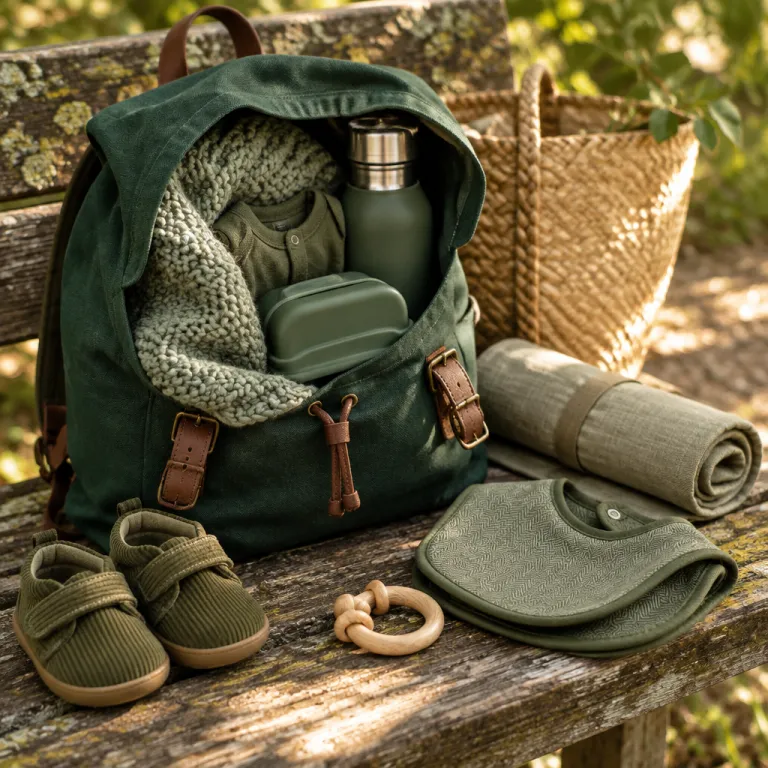

What to Pack for Daycare: Turning Daily Prep into a Style Ritual
Thinking about what to pack for daycare becomes easier when you treat the daycare bag as part of your child’s daily outfit. A carefully chosen bag in the right size, with coordinated items inside, turns a rushed morning into a calm style ritual that respects both fashion and function. When style-conscious parents plan their daycare essentials in advance, every day feels more curated and less chaotic.
Start with the right daycare bag or diaper bag, because this single piece anchors your whole packing strategy and sets the visual tone for the day. A structured bag with separate pockets for diapers, wipes, feeding supplies, and comfort items keeps everything accessible while still looking polished, and smaller bags inside help you group items by category and time of day. Think of the daycare bag as a capsule wardrobe in bag form, where each item earns its place and supports your child’s comfort, safety, and style.
Parents often ask which pack essentials should never leave the daycare bag. At minimum, you need diapers or potty training gear, wipes refills, extra clothes, food snacks, a water bottle, and at least one comfort item that feels familiar to your child. When you repeat this same curated list every day, daycare packing becomes a quick visual bag checklist rather than a stressful guessing game.
Building a stylish daycare wardrobe: extra clothes that work hard
For a fashion focused family, deciding what to pack for daycare starts with extra clothes that look good and work hard. Choose soft cotton tops, leggings, and joggers that mix easily, so your daycare provider can change your child quickly without clashing patterns or awkward fits. Aim for a consistent colour palette across outfits and daycare bags, because this makes every spare item feel intentional rather than random.
Pack at least two full spare outfits in the daycare bag, including underwear or training pants for potty training, plus socks and a lightweight layer for changing temperatures. When you plan which clothing pieces to send, think in outfit formulas, such as tunic plus leggings or T shirt plus joggers, and repeat those formulas in different colours and prints. This approach keeps the bag checklist simple while still letting your child’s style shine during playtime, art sessions, and nap time.
Outerwear matters too, especially for outdoor play on a changeable day. A compact rain jacket that folds into its own bag is ideal, and you can look at a tested unisex kids rain jacket as a reference for packable design and practical details. As a guide, many families find that a lightweight waterproof jacket in the 5,000–10,000 mm range, a midweight hoodie in the 200–300 gsm range, and well-fitting sneakers or rubber boots cover most seasons without overpacking. Always check with daycares about their outdoor policy, then adapt your daycare packing list so your child stays dry, warm, and stylish without overstuffing the daycare bag.
Occasion outfits for playtime perfect days at daycare
Style driven parents often wonder how to balance special occasion outfits with the messy reality of daycare. The key is to curate a small category of playtime perfect pieces that feel elevated but still survive paint, sand, and food snacks without constant stress. When you think about what to pack for daycare on celebration days, you can mix one standout item with practical basics to keep the look refined yet realistic.
For birthdays, themed days, or family photo moments at pickup time, choose a hero piece such as a tulle skirt, a printed shirt, or a statement knit, then surround it with comfortable leggings, soft tees, and easy fastenings. A sparkly tutu from a curated selection of kids tutus can feel party ready, but pairing it with cotton tights and sneakers keeps the outfit daycare friendly. Always add extra clothes in the daycare bag that echo the same colour story, so if the hero piece gets messy, the backup outfit still looks cohesive for the rest of the day.
Accessories deserve a place on your daycare packing list, but they must be safe and practical. Soft headbands, fabric bows, and printed socks add personality without creating hazards, while jewellery and tiny clips are usually better kept at home. When you plan which accessories to send, think about nap time comfort, quick changes by the daycare provider, and how each item will look after several hours of active play.
Smart organization inside the daycare bag: from diapers to feeding supplies
Once you know what to pack for daycare, the next step is organizing the bag so every item is easy to reach. Use smaller bags or pouches inside the main daycare bag to separate diapers, feeding supplies, comfort items, and extra clothes by category. This internal structure turns any bag, from a minimalist tote to a classic diaper bag, into a calm, functional space.
In the diaper zone, include enough diapers for the full day plus two spares, a compact pack of wipes refills, a foldable changing mat, and a small bag for used clothes. For babies who still need burp cloths and baby blankets, keep these soft textiles in a dedicated pouch so they stay clean and easy to grab during feeding time. Label each pouch clearly with your child’s name and the content category, because this helps the daycare provider find what they need quickly during a busy day.
The feeding supplies area should hold a water bottle, food snacks, and any breast milk or formula in clearly marked containers. If your baby uses bottles, pack daycare friendly versions with secure lids and note any special instructions on a simple list tucked into the bag. Older children who are past breast milk feeds may only need a water bottle, a snack box, and cutlery, but these items still deserve a consistent place inside the daycare bag so your child learns the routine.
Emotional comfort and personal style: the power of small items
What to pack for daycare is not only about practical items; it is also about emotional security and self expression. A carefully chosen comfort item can ease separation anxiety and help your child transition smoothly from home to daycare. When you curate these comfort items with the same care as outfits, they become part of your child’s personal style story.
Many families send small baby blankets, a soft toy, or a favourite cloth as comfort items, and these pieces often carry the scent and memories of home. Some parents add a laminated family photo to the daycare bag, giving the child a visual anchor during quiet moments or nap time. Talk with your daycare provider about which comfort items are allowed, then create a tiny rotation so you always have a clean backup in the bag on any given day.
For babies who receive breast milk at daycare, clearly labelled bottles or bags become part of this emotional ecosystem, connecting home routines with the daycare environment. Older children in potty training may feel more confident when they see familiar underwear prints or character socks in their extra clothes pouch. When you think about which emotional supports to send, remember that small, well chosen items can have a big impact on how your child experiences the day.
Creating a repeatable daycare packing system for busy fashion families
Parents who care deeply about style need a repeatable system for what to pack for daycare, so fashion never becomes another source of stress. The goal is to create a standing bag checklist that you can run through quickly, whether you are packing for one baby or several children in different daycares. Once this routine is in place, you can focus on playful outfit mixes and occasion pieces instead of worrying about forgotten essentials.
Start by writing a master list that covers every time block of the day: morning arrival, outdoor play, meals, nap time, and late pickup. Under each category, note the exact items you need, such as diapers, wipes packs, feeding supplies, water bottle, food snacks, extra clothes, baby blankets, burp cloths, and at least one comfort item. To make this even easier, many parents rely on a simple checklist that includes: a medium size backpack or diaper bag (around 15–20 litres), two to three complete outfit changes, six to eight diapers or equivalent potty training gear, one lightweight layer, one compact rain jacket, labelled feeding supplies, and a small comfort toy or blanket. Keep this list near your usual packing spot or save digital links to it on your phone, then check it quickly each evening while refilling the daycare bag.
As your child grows from baby to toddler and then to preschooler, update the list to reflect new needs like potty training gear or more independent dressing. You might move from a large diaper bag to a smaller backpack size daycare bag, but the underlying system of categories and daily checks stays the same. For inspiration on building versatile wardrobes that move from daycare to special events, you can study polished yet comfortable outfit ideas in a guide to what kids should wear to a fall wedding and adapt the same principles to everyday play.
Key figures on daycare, packing habits, and kids’ clothing
- Across Europe, a substantial share of children under three attend formal daycare settings, according to Eurostat’s statistics on early childhood education and care participation (see the Eurostat database on “Children in formal childcare or education by age group”).
- Community discussions from the BabyCenter parent forums suggest that many caregivers spend around 10 to 15 minutes each evening preparing the daycare bag, and those who use a written bag checklist often report cutting that time noticeably (as reflected in BabyCenter’s parent polling and community conversations on daily routines).
- Guidance from the United States Environmental Protection Agency (EPA) notes that choosing reusable drink containers can significantly reduce single use plastic bottle waste per person each month, which makes a durable water bottle a smart daycare essential.
- Market research from Euromonitor International shows that the global baby and toddler apparel segment represents a significant share of the kidswear market, and capsule style wardrobes with mix and match outfits are among the fastest growing categories in childrenswear.
- Sleep recommendations from the National Sleep Foundation highlight that consistent nap time routines, including familiar comfort items and baby blankets, support better daytime rest for young children in group care environments (see the Foundation’s guidelines on infant and toddler sleep needs).
FAQ about what to pack for daycare with style and ease
How many extra outfits should I pack for daycare each day?
For babies and toddlers, pack at least two full extra clothes sets, including tops, bottoms, underwear or nappies, and socks. If your child is in potty training or has frequent spills, add a third outfit to the daycare bag. Older preschoolers usually manage with one spare set, but check with your daycare provider about their specific recommendations.
What should go in a daycare bag for a young baby?
A baby’s daycare bag should include diapers, wipes packs, a changing mat, burp cloths, baby blankets, feeding supplies, and clearly labelled breast milk or formula. Add at least two extra outfits, a soft comfort item, and a water bottle for older babies who drink water. Keep everything organized in smaller bags inside the main bag so staff can find items quickly.
How do I balance stylish outfits with practical needs at daycare?
Choose comfortable fabrics, easy fastenings, and a cohesive colour palette, then add one standout piece per day such as a printed top or fun leggings. Avoid delicate trims or accessories that might snag during playtime, and always send extra clothes that match the same style story. This way your child looks polished at drop off, but still feels free to move, paint, and climb.
What comfort items are usually allowed in daycare settings?
Most daycares welcome small comfort items such as soft toys, baby blankets, or a cloth, as long as they are safe and labelled. Some centres also allow a family photo that can stay in the child’s cubby or nap area. Always check the rules first, then choose items that are easy to wash and replace if they get lost.
How often should I refresh my daycare packing list as my child grows?
Review your daycare packing list every few months or whenever your child hits a new stage, such as starting solids, moving to a cup, or beginning potty training. Remove items you no longer need, like bottles or certain feeding supplies, and add new essentials such as training pants or different size clothes. Keeping the list current ensures the daycare bag stays light, relevant, and aligned with your child’s real needs.
References
- Eurostat – database on children in formal childcare or education by age group and weekly time.
- BabyCenter – community surveys and parent polls on daycare routines and packing habits.
- United States Environmental Protection Agency (EPA) – resources on reducing single use plastics and promoting reusable containers.
- Euromonitor International – market reports on global childrenswear and baby apparel trends.
- National Sleep Foundation – guidelines on sleep and nap needs for infants and toddlers in group care.