
Summary
Editor's rating
Value: solid bag, but you’re paying a brand tax
Design: simple, discreet, and a bit old‑school
Comfort: fine as a tote, mediocre as a real backpack
Materials: tough fabric, but not everyone will like the feel
Durability: feels like it will outlast your patience
Performance in daily use: simple, reliable, but not very organised
What this Totepack actually is (and what it isn’t)
Pros
- Rugged G‑1000 and recycled polyamide fabric that feels built to last
- Versatile design that works as both tote and backpack for everyday use
- Discreet look and compact size but still holds a surprising amount of stuff
Cons
- Unpadded straps and back make it uncomfortable with heavy loads or long walks
- Very basic internal organisation with no padded laptop sleeve
- Price is high for what is essentially a simple tote‑backpack hybrid

Specifications
View full product page →| Brand | Fjällräven |
A tote that pretends to be a backpack (and mostly pulls it off)
I’ve been using the Fjällräven Totepack No. 1 in Deep Patina as my everyday carry bag for a few weeks: commute, supermarket runs, and a couple of day trips. It’s that hybrid thing between a tote and a backpack, and I mainly bought it because I was tired of juggling a shoulder bag plus a small backpack. On paper, this one bag should do both jobs. In practice, it gets pretty close, but there are some trade‑offs you should know about before dropping this kind of money on it.
The first thing that hit me was the size: 23 litres doesn’t sound huge, but it swallows more than you’d think. Laptop (13”), water bottle, hoodie, lunch box, plus the random mess you pick up during the day – it all fits. That said, there’s no padded laptop sleeve, so you’re basically throwing your tech into a fabric bucket. If you’re used to tech backpacks with a ton of organisation, this will feel pretty bare‑bones.
The other big point is the straps. As a tote, it’s great: long fabric handles, easy to throw on the shoulder. As a backpack, it works, but not as nicely as a real backpack. With some weight in it, you start to feel where Fjällräven cut corners: thin straps, no padding, and whatever you packed ends up poking you in the back if it’s hard or has edges. It’s fine for light loads, not so fun when you cram in groceries or books.
Overall, my first impression after a few days was: good everyday bag if you value simplicity and tough fabric, less good if you want comfort and organisation. It feels like something that will last a long time, but it’s not the most comfortable or the smartest layout I’ve used. If you already like Fjällräven’s style and their G‑1000 stuff, this fits right in. If you’ve been spoiled by cushy urban backpacks, this might feel a bit basic for the price.
Value: solid bag, but you’re paying a brand tax
Let’s talk money. The Totepack No. 1 is not cheap, especially when you remember it’s basically a simple tote with backpack straps and no fancy padding or internal organisation. When I compare it to cheaper options – like IKEA tote‑backpacks or no‑name canvas bags – those can cost a fraction of the price and still carry your stuff just fine. One Amazon reviewer even said they liked their cheap IKEA version more and felt this fabric was worse. I wouldn’t go that far, but I get the point: you’re paying extra for the brand, the G‑1000 fabric, and the leather details.
On the positive side, you do get something for that money: durable materials, a versatile format, and a bag that works for work, errands, and light travel without looking out of place. If you use it every single day for years, the cost per year doesn’t look so bad. And compared to more fashion‑focused totes that fall apart in a year, this should last longer, especially with a bit of care (you can re‑wax it, clean it, etc.). For someone who likes buying once and keeping gear for a long time, that has some value.
On the downside, for the same or slightly more money, you can get very comfortable urban backpacks with padded straps, proper laptop compartments, better organisation, and sometimes even better weather protection. So it really depends what you want. If you’re mainly after comfort and smart features, this isn’t the best value. If you specifically want a tote/backpack hybrid with rugged fabric and a low‑profile look, the price becomes easier to swallow, especially if you catch it on sale.
My take: good but not amazing value. It’s not a rip‑off, but it’s also not a bargain. You’re paying for the Fjällräven name, the tough fabric, and the hybrid design. If those things matter to you and you actually use the bag a lot, it’s worth considering. If you just need something to carry gym clothes twice a week, a cheaper tote will do the job just as well.
Design: simple, discreet, and a bit old‑school
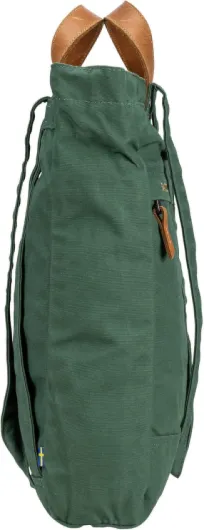
Design‑wise, this thing is very much in the Fjällräven lane: clean, boxy, and low‑key. No big logos apart from the small leather fox patch, no flashy details, and the Deep Patina colour is a muted greenish tone that doesn’t scream for attention. If you want something that fits with pretty much any outfit, from office casual to jeans and hoodie, it does the job. It looks more like a sturdy tote than sporty backpack, which I actually liked for going to work and then grabbing groceries on the way home.
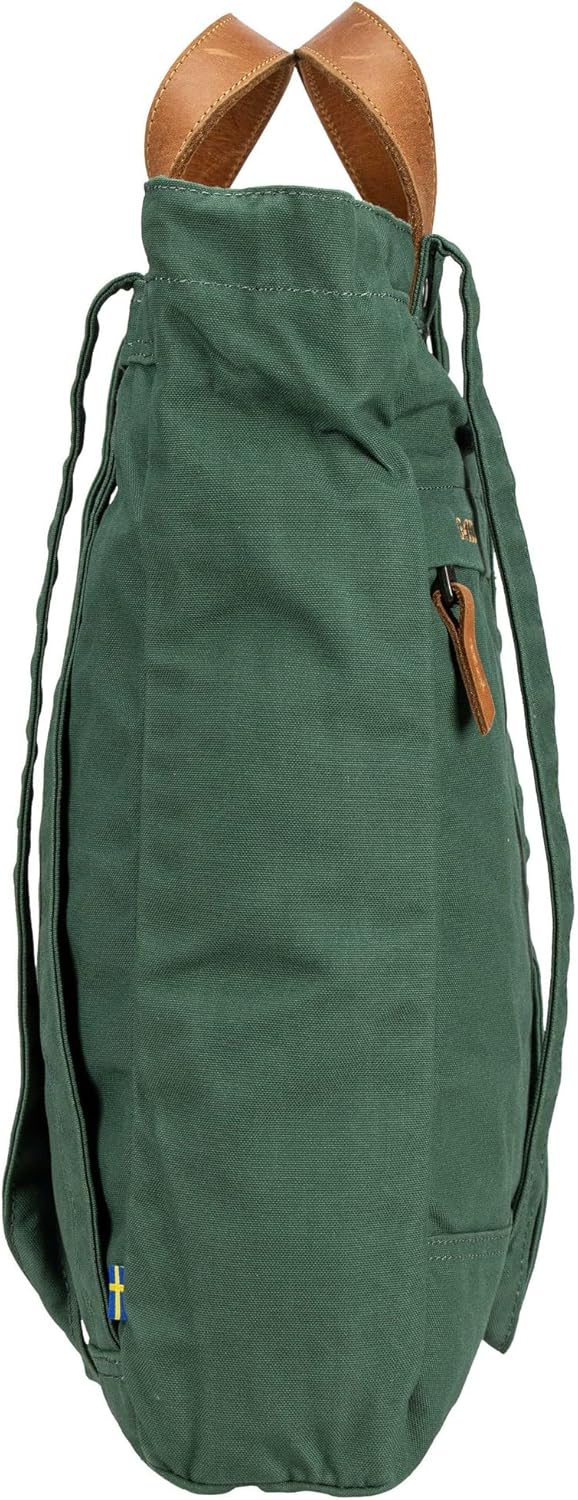
The tote/backpack switch is straightforward: the long straps run through the sides, so you can either wear them as shoulder straps or pull them into backpack mode. It’s not some complicated mechanism; it’s just clever strap routing. In practice, I found myself using it 70% of the time as a shoulder tote and only switching to backpack mode when I had heavier stuff or needed both hands free (bike, carrying other bags, etc.). The conversion isn’t instant – you still need to fiddle a bit – but it’s quick enough that you don’t think too much about it.
One design downside: no structure and no padding. When it’s half empty, the bag tends to slump and fold in on itself. When it’s full, the front panel can wrinkle and look a bit crinkly, exactly like one of the Amazon reviews mentioned. Personally, I don’t care that much about wrinkles, but if you like bags that always keep a crisp shape, this will annoy you. Also, the lack of a reinforced bottom means bottles and heavy items can make the bag sag; I ended up putting a thin board (or a magazine) at the bottom on some days to give it more structure.
Overall, the design is minimal and practical but not clever in a high‑tech way. No hidden laptop sleeve, no secret compartments, no quick‑access phone pocket. It’s more like a tough canvas tote that learned one backpack trick. If you’re into simple gear that doesn’t look too sporty or too office‑y, it hits a nice middle ground. If you like modern city backpacks with loads of organisation and ergonomic shaping, this will feel a bit bare and old‑fashioned.
Comfort: fine as a tote, mediocre as a real backpack
This is where the Totepack No. 1 shows its limits. As a shoulder tote, it’s comfortable enough. The fabric straps are wide enough and don’t dig in much with normal everyday loads – laptop, bottle, light jacket, etc. The bag tucks nicely under the arm and doesn’t stick out too far, so it’s easy to move around in crowds or on public transport. The weight distribution is what you’d expect from a tote: all on one shoulder, but for short distances it’s totally manageable.
As a backpack, it’s more of a compromise. The straps are just flat webbing, no padding at all, and the back of the bag has no cushioning. When you load it up – for example, a few heavy books or a bunch of groceries – the straps start to cut into your shoulders after a while, especially if you’re wearing a thin shirt. This matches the German review that said the straps dig in when it’s fully loaded. I had the same experience on a 30–40 minute walk: by the end, I definitely knew I was carrying weight, and it wasn’t exactly comfortable.
The other issue is hard objects in your back. Because there’s no padding, whatever you pack closest to the back panel is what your spine feels. A laptop in a slim sleeve is okay, but a charger block, book corners, or a bottle can be annoying. I learned quickly to pack softer items (hoodie, sweater) against the back and put harder stuff towards the front. Once you get used to packing it in that order, it’s acceptable, but it’s something you have to think about that you wouldn’t with a normal padded backpack.
Strap length is decent but not infinite. I’m average height and had enough slack to wear it as a backpack with a mid‑weight jacket. Taller people or those with big winter coats might find the straps a bit short, again like one reviewer mentioned. In short: comfortable as a tote for everyday use, passable as a backpack for short distances, not great for long walks or heavy loads. If you want actual backpack comfort, this isn’t it. If you mostly use it as a tote and only sometimes as a backpack, you’ll probably be fine.
Materials: tough fabric, but not everyone will like the feel
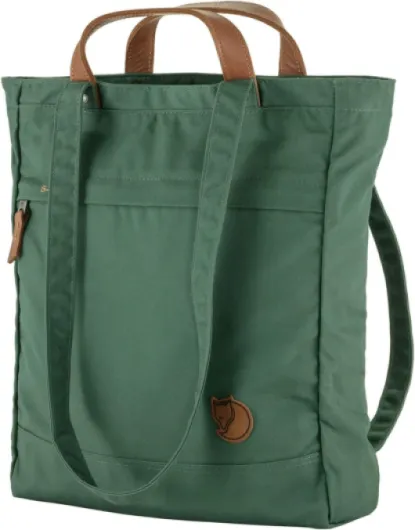
The body of the bag is made from G‑1000 HeavyDuty Eco (65% polyester, 35% cotton), with some recycled polyamide (Bergshell) on the outside in this version, plus cowhide leather trim on the handles. In the hand, it feels like stiff, tightly woven canvas – not soft, not smooth, more on the rough and slightly waxy side. That’s exactly what some people like about Fjällräven: it feels like gear, not fashion. But I can understand the Amazon reviewer who said the fabric feels cheap and crinkly, especially if you compare it to softer premium backpacks or even some IKEA knock‑offs that use smoother polyester.
From a practical point of view, the fabric feels robust and abrasion‑resistant. I shoved it under seats, dragged it along the floor in a train once, and brushed it against walls, and it didn’t show any real marks beyond some light creasing. It’s not padded, but it does give the impression it can handle years of rough use. Also, G‑1000 can be waxed (with Fjällräven’s Greenland Wax) to improve water resistance. Out of the box, it’s more water‑resistant than a cotton tote but not fully waterproof; in a light drizzle my stuff stayed dry, but I wouldn’t trust it in a proper downpour without extra protection.
The leather handles are real cowhide and start a bit stiff. After a couple of weeks, they softened a little and became more comfortable to grab. They still feel solid, not the flimsy fake leather you sometimes see on cheaper bags. The stitching around the handles and stress points looks clean and tight; I didn’t see loose threads or sloppy finishing. The zippers run smoothly and don’t snag, which is important on a bag that opens and closes a lot during the day.
So, materials overall: solid and built for durability, but with a certain crinkly, utilitarian vibe. If you’re expecting soft, premium leather and silky fabric, this will feel a bit harsh. If you want something that can be thrown around without worry, then the fabric choice makes sense. Personally, I’d rather have this slightly stiff, rugged feel than a delicate fabric that tears, but you need to be okay with the sound and feel of a crunchy canvas‑type material.
Durability: feels like it will outlast your patience
Even after a few weeks, you can tell this bag is built more for longevity than comfort. The G‑1000 HeavyDuty fabric and the recycled polyamide outer feel tough. I dragged it across rough floors, stuffed it under seats, and overloaded it with groceries more than once. No popped seams, no obvious wear marks, just some creasing and minor scuffs that actually suit this kind of material. The zippers still run smoothly, and the pulls haven’t bent or twisted.
The leather handles are stitched and riveted in key spots, and they don’t show any signs of tearing or stretching. They did soften a bit and got a slight patina, which I like. The strap attachment points look properly reinforced, which is important when you occasionally overload the bag. I’ve had cheaper tote‑backpacks where the strap sewing started to fray within a month; this one feels like it will handle years of abuse before that happens.
One small concern is the crinkling and wrinkling of the fabric. It doesn’t really affect function, but visually the bag starts to look a bit worn quickly, especially if you fold or crush it when storing it. If you expect a bag to stay neat and smooth for years, this might annoy you. On the flip side, if you like that broken‑in, used‑gear look, it actually ages in a pretty decent way. Also, because the fabric is relatively stiff and dense, it’s less likely to tear on sharp edges than softer polyester bags.
There’s no official warranty from the manufacturer listed, which is a bit of a shame at this price point, but Fjällräven generally has a good reputation for long‑lasting gear, and this bag feels in line with that. So in terms of durability, I’d say it’s one of the strong points: I’d trust it for years of daily use. Just don’t expect it to look pristine; expect it to look like a well‑used piece of kit that’s still going strong.
Performance in daily use: simple, reliable, but not very organised
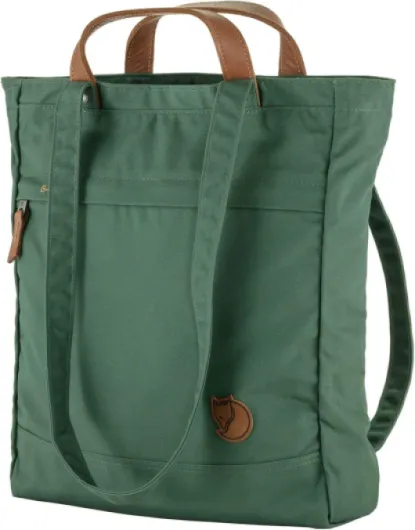
In everyday use, the Totepack No. 1 is reliable but basic. It opens wide, you can see everything at a glance, and the top zipper does its job: no random stuff falling out when the bag tips over. I threw it in a car trunk, under a train seat, and even laid it sideways with half‑open zip – things mostly stayed inside. The outside zip pocket is handy for quick‑access items like a phone, travel card, or earphones, but it’s flat; if you stuff it too much, it bulges and makes the front look weird.
Inside, performance really depends on how organised you are. There’s only one small inner zip pocket and one main compartment, so if you just dump everything in, it turns into a black hole. I ended up using small pouches for tech, toiletries, and cables, which made it much more workable. The internal key strap is genuinely useful; clipping your keys to it means no more digging around at the door. Still, compared to modern daypacks with multiple sections, pen slots, and padded sleeves, this feels pretty old‑school.
For commuting and daily errands, it does the job. It handled my typical load (13" laptop in a sleeve, notebook, lunch, light jacket, water bottle, and small umbrella) without any drama. The bag doesn’t deform in a worrying way under that kind of load, and the seams feel solid. For light travel, it also works as an under‑seat bag or a secondary carry‑on, but the lack of structure means clothes come out more wrinkled than in a more rigid bag.
Where it falls short is when you push it beyond that: heavy loads, long distances, or situations where quick access and organisation matter. If you’re constantly reaching in for camera gear, chargers, documents, etc., the single big compartment gets annoying. If you’re walking for an hour with a lot of weight, the lack of padding becomes very noticeable. So performance is good within a certain everyday range, but it’s not a do‑everything pack. You just have to be realistic about what you expect from it.
What this Totepack actually is (and what it isn’t)
The Totepack No. 1 is basically a rectangular 23L bag (about 32 × 39 × 11 cm) with a zip on top, two small leather grab handles, and two long fabric straps that work both as shoulder straps and as backpack straps. There’s one outside zip pocket and one small inside zip pocket, plus an internal key strap. That’s it. No fancy compartments, no laptop sleeve, no hidden pockets. It’s a simple layout that forces you to use pouches if you want more order inside.
In daily use, the format is pretty versatile. As a shopping and errands bag, it’s great: it stands up reasonably well when you put it down, the opening is wide enough to see everything, and the zipper keeps stuff from flying out on the bus or train. I used it for a quick grocery run – pasta, milk, some veggies, a pack of cans – and it held up fine. The shape is more vertical than a normal shopping tote, though, so heavy stuff tends to sink to the bottom and pull the bag down when carried on one shoulder.
As a work/commute bag, it’s okay if your setup is simple: laptop in a sleeve, notebook, pencil case, maybe a lunch box. The inside pocket is pretty small – a compact wallet barely fits, and anything bulkier will fight with the zipper. The key strap is actually handy; I stopped losing my keys in the bottom of the bag. On the downside, if you carry a lot of small items (charger, mouse, cables, etc.), they all end up in one big space unless you add your own organisers.
What it definitely isn’t: a full‑on travel backpack or a dedicated laptop/office bag. You can use it for short trips or as a personal item on a plane, but there’s no structure, no back padding, and no proper weight distribution. In my case, it worked best as a flexible everyday tote that can turn into a backpack when you suddenly need both hands free, not as my main backpack for heavy loads or long walks.
Pros
- Rugged G‑1000 and recycled polyamide fabric that feels built to last
- Versatile design that works as both tote and backpack for everyday use
- Discreet look and compact size but still holds a surprising amount of stuff
Cons
- Unpadded straps and back make it uncomfortable with heavy loads or long walks
- Very basic internal organisation with no padded laptop sleeve
- Price is high for what is essentially a simple tote‑backpack hybrid
Conclusion
Editor's rating
After using the Fjällräven Totepack No. 1 regularly, my conclusion is pretty clear: it’s a solid, versatile everyday bag with a few annoying compromises. The strong points are the tough G‑1000 fabric, the simple but flexible tote/backpack design, and the fact that it fits a surprising amount for its size. It works well for commuting, errands, and casual day trips, and it looks discreet enough for both office and weekend use. If you like straightforward gear that you don’t have to baby, this fits that role nicely.
Where it falls short is comfort and organisation. As a tote, it’s fine; as a backpack, it’s only okay for short distances and lighter loads. The thin, unpadded straps and lack of back padding make long walks with heavy stuff tiring, and hard objects can dig into your back if you don’t pack carefully. Inside, the single big compartment and tiny inner pocket mean you’ll probably want extra pouches if you carry a lot of small items. For the price, some people will expect more padding, more structure, and a proper laptop sleeve – and that’s fair.
Who is it for? People who want one tough, simple bag that can switch between tote and backpack mode, don’t mind the basic organisation, and value durability and a low‑key look. Who should skip it? Anyone who carries heavy loads daily, needs strong back and shoulder comfort, or wants a very organised, tech‑friendly pack. In short: good bag, not perfect, and you need to be honest with yourself about how you’ll use it before paying the premium.