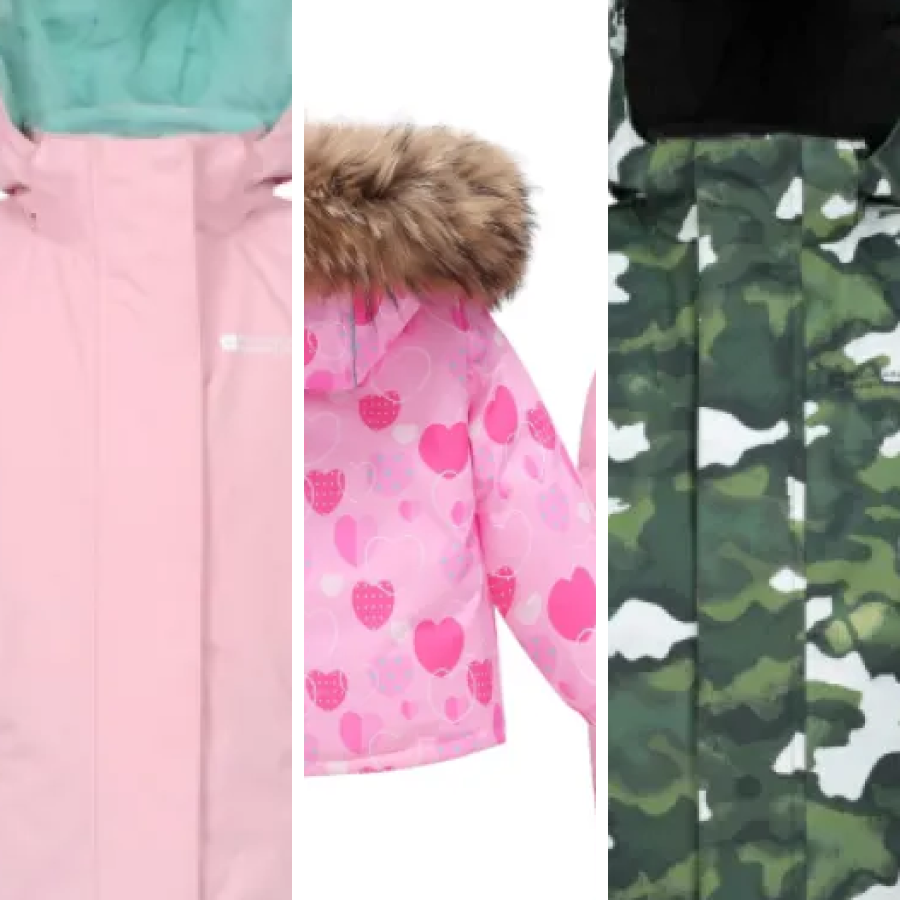
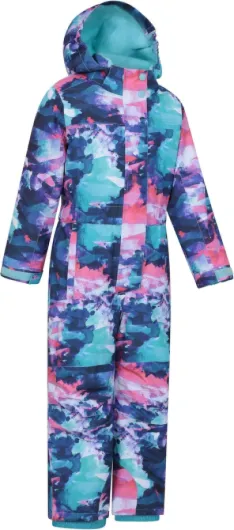
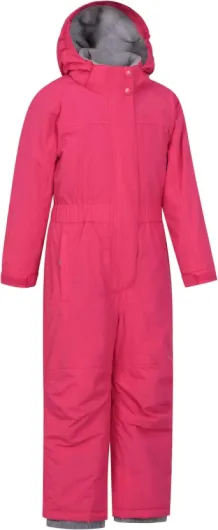
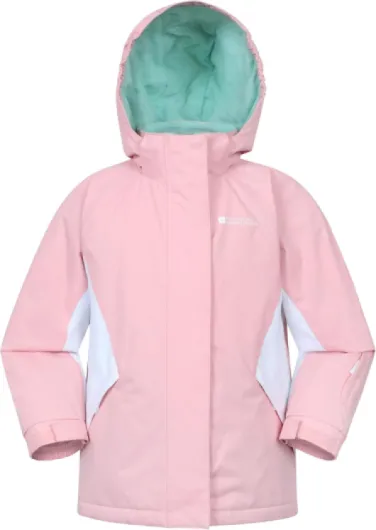
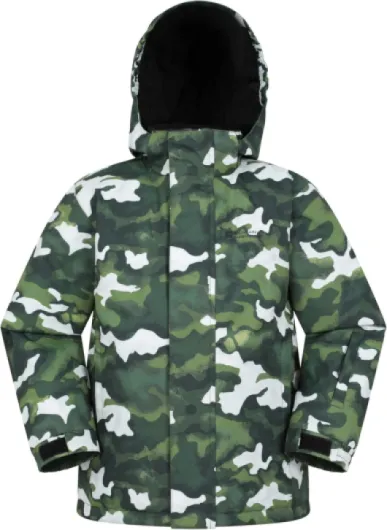
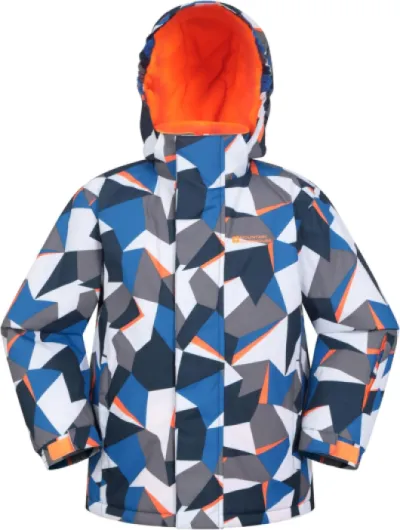
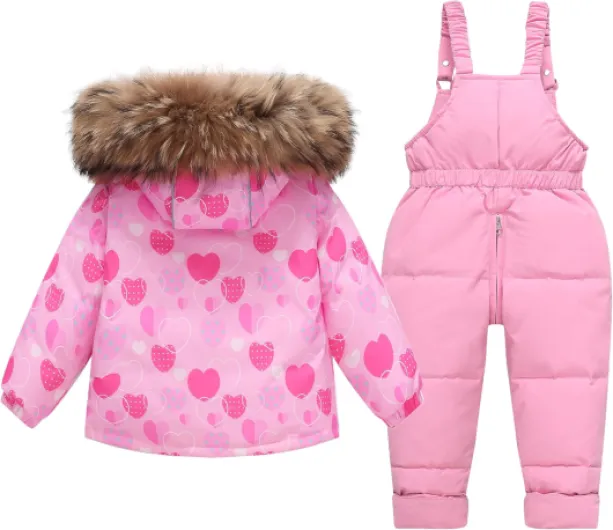
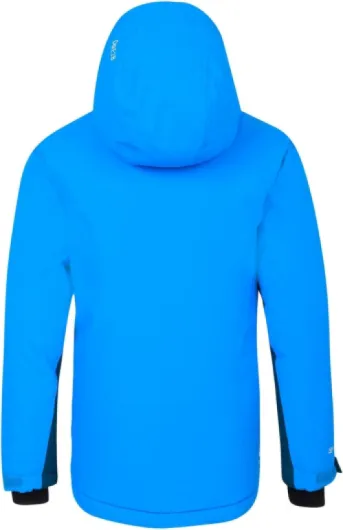
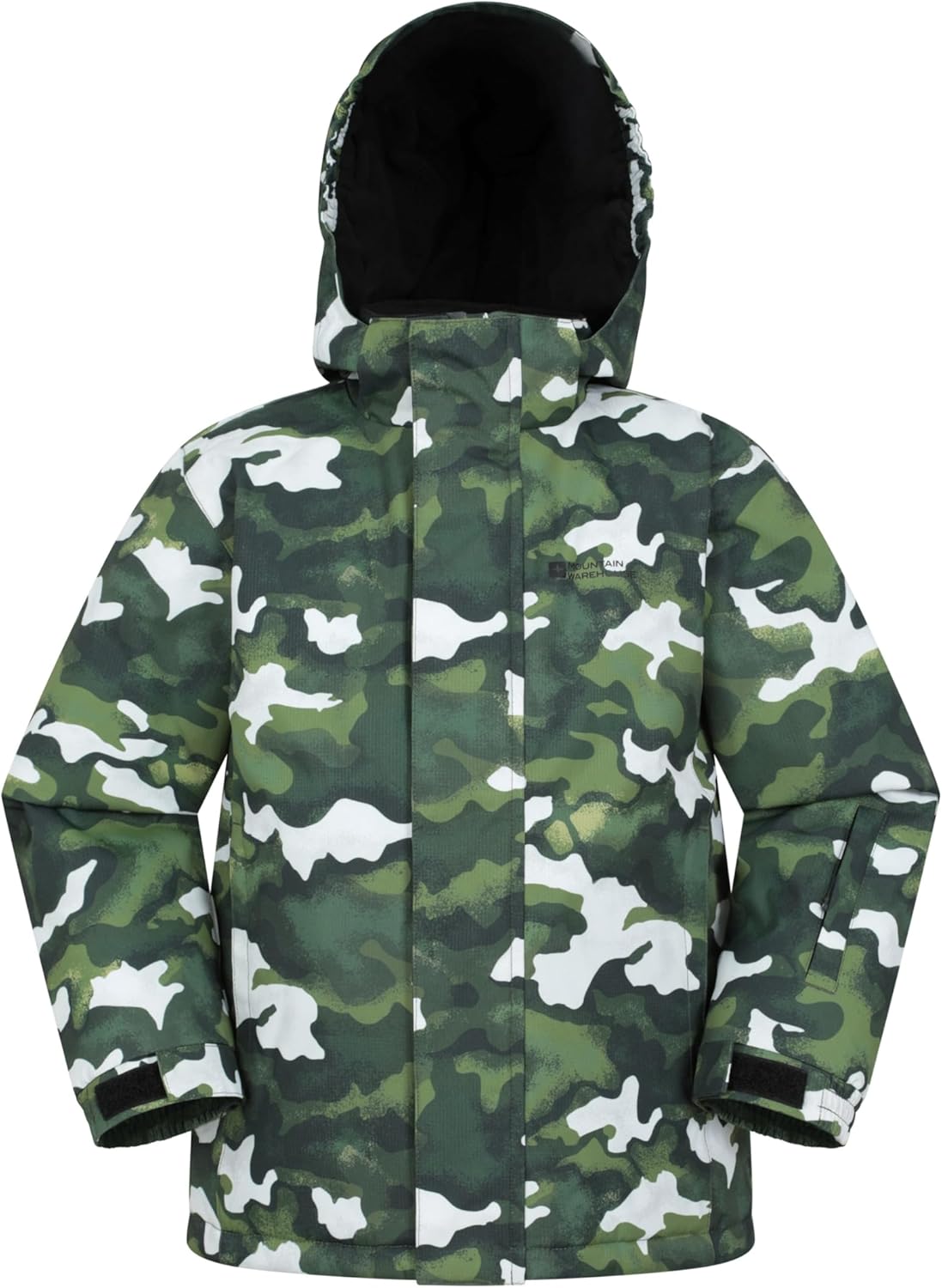
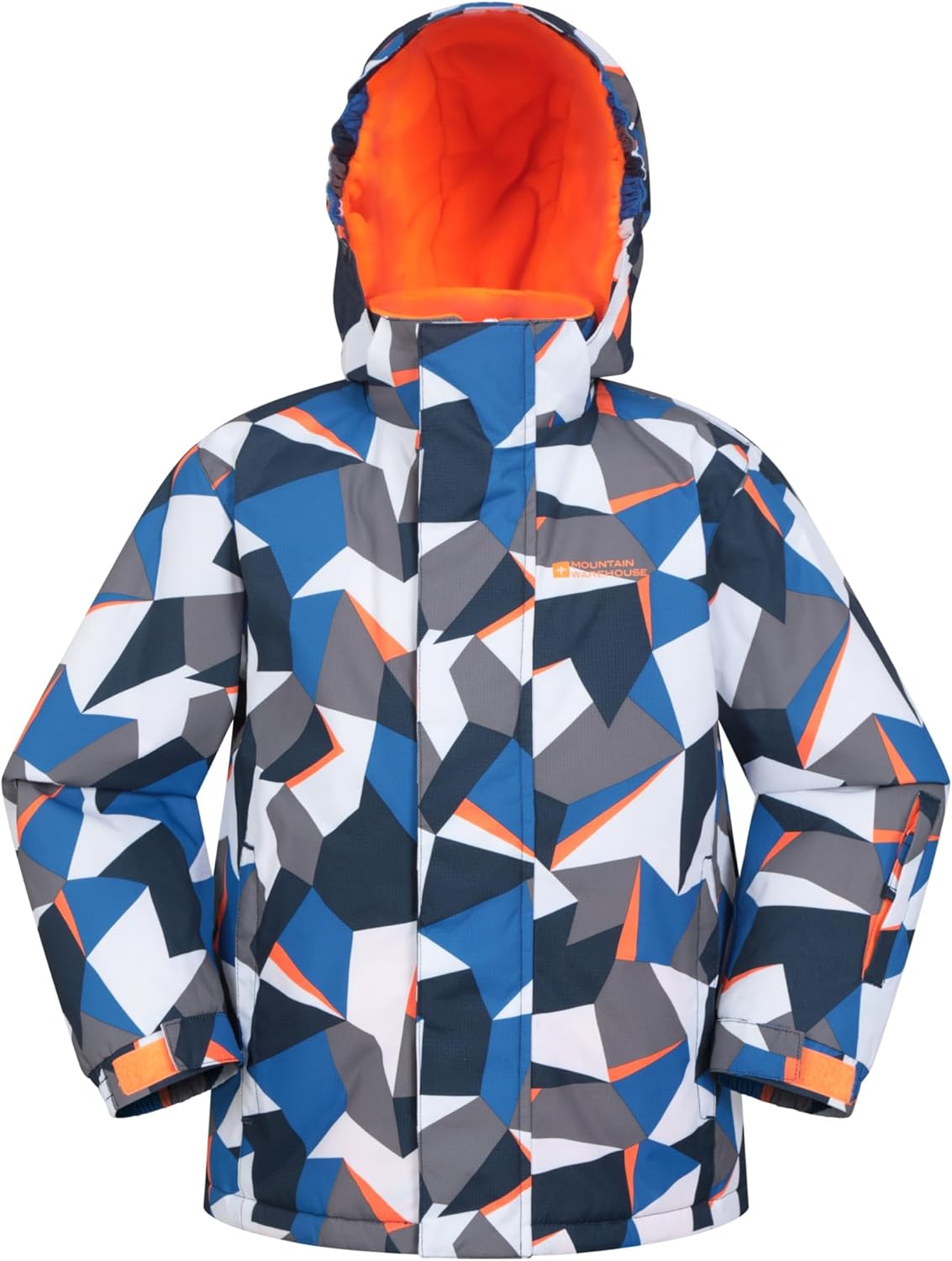
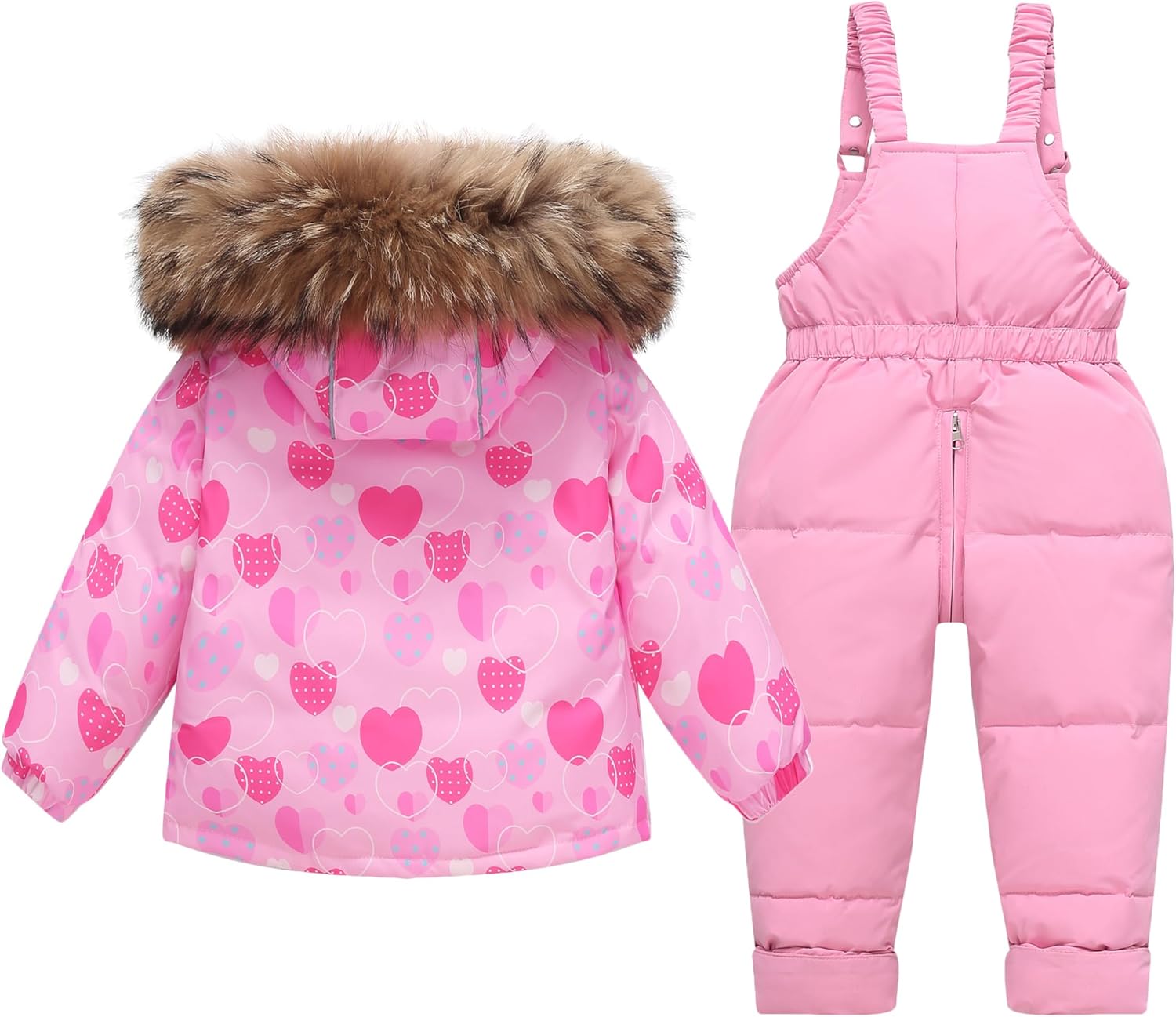
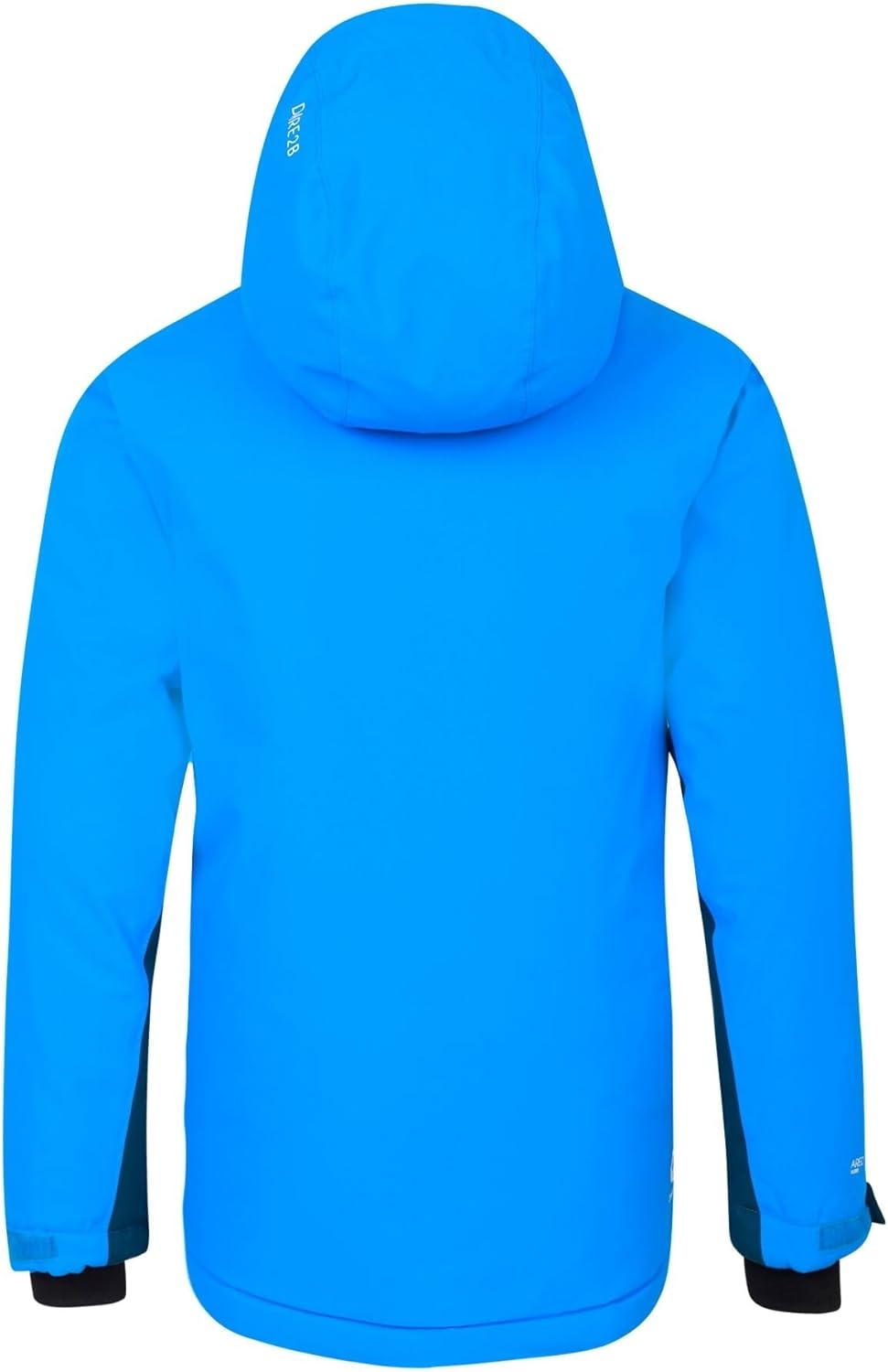
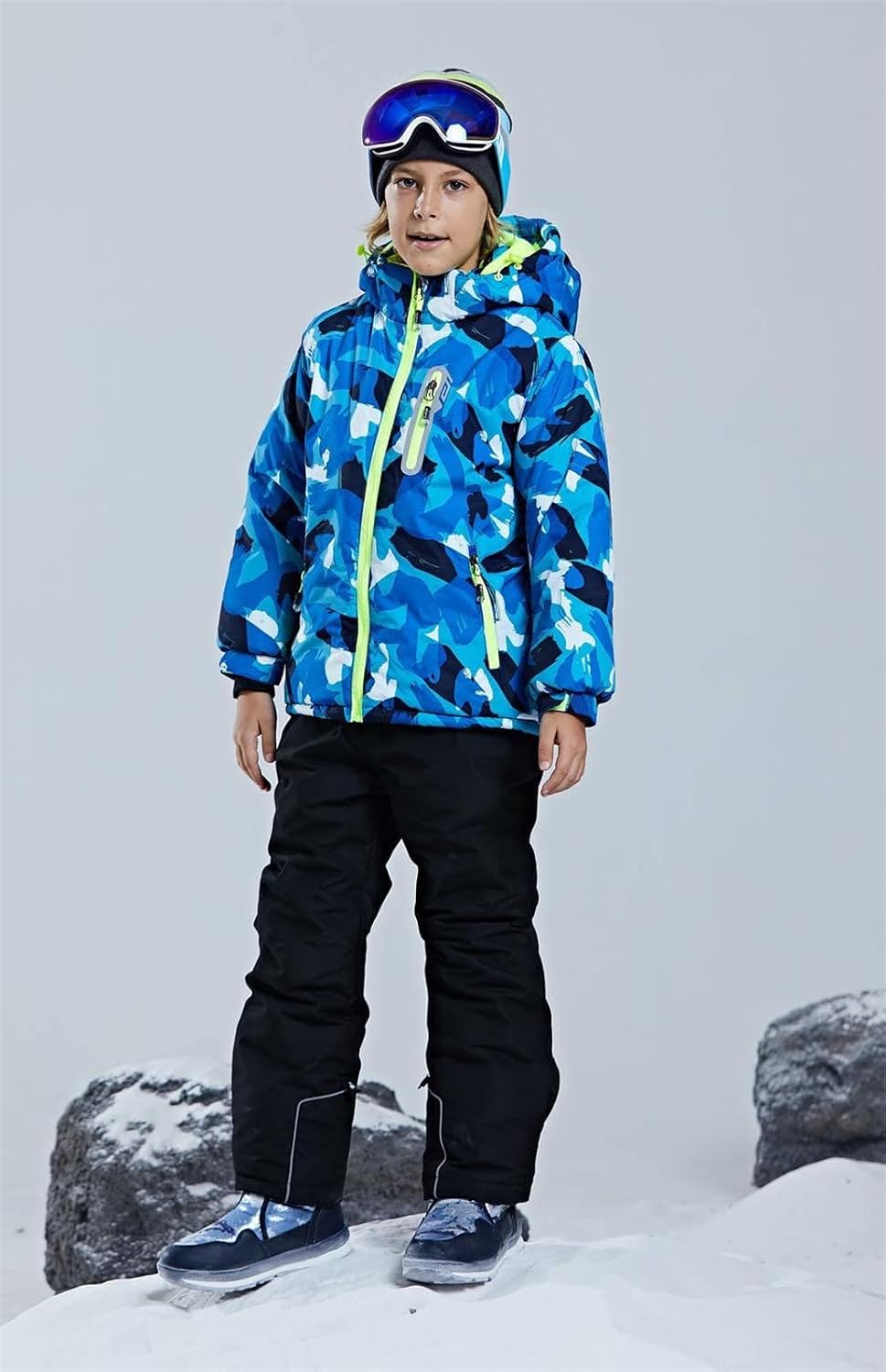
Technical fabrics, insulation and how they shape kids ski comfort
Every parent searching for the best ski suits for kids quickly realises that fabric technology matters as much as colour and print. A high performance shell built with a breathable Tex membrane or even a junior version of Gore-Tex keeps external snow and wind out while allowing sweat to escape, which is essential when kids charge hard down the ski slope. When a ski jacket or ski suit traps moisture, even the warmest insulated lining cannot prevent a child from feeling chilled on the next chairlift ride.
For all day comfort, combine a lightly insulated ski suit with merino wool base layers and technical ski socks that manage moisture. Merino wool regulates temperature better than cotton, so a child stays warm on the lift yet avoids overheating during energetic ski lessons or snow park laps. Many of the best ski suits for kids use synthetic insulated padding in the body and seat, then rely on a slightly lighter shell in the arms and legs to balance warmth, weight, and performance.
Parents comparing price points on kids ski jackets and ski pants should look closely at the stated waterproof rating and breathability figures. A budget friendly ski jacket men style scaled down for boys might look similar to a premium The North Face or Helly Hansen kids jacket, but the cheaper shell fabric often wets out faster in heavy snow. When you browse a curated list of top rated kids ski suits, pay attention to whether the brand specifies advanced Tex Pro style membranes, fully taped seams, and storm ready hoods, because these details justify a higher price and deliver better winter performance.
Fit, layering and movement for style driven young skiers
Fit determines whether even the best ski suits feel effortless or restrictive on a young body. A kids ski suit should allow a full squat, a deep lunge, and a wide reach overhead without the jacket hem lifting or the pants pulling tight across the seat. When you test a ski jacket and ski pants set on your child, ask them to mimic ski movements and even sit cross legged on the floor to reveal any hidden pressure points.
Layering under a ski suit or under a separate ski jacket and ski pants combination must remain simple for both parents and kids. Start with a thin merino wool base layer, add a light fleece mid layer for very cold winter days, then rely on the insulated outer shell to block wind and snow without adding bulk. If the ski jacket or ski suit already feels tight over a single base layer, size up to ensure that your child can wear extra layers comfortably during a surprise cold snap or a long storm cycle.
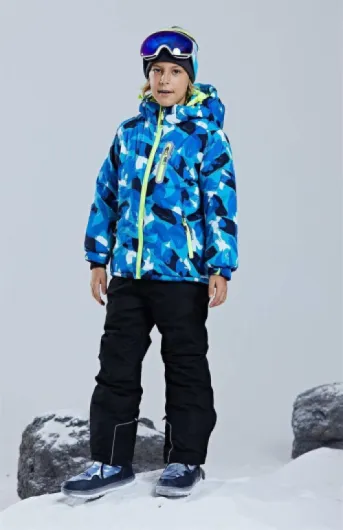
Fashion forward kids often want their ski wear to echo their favourite street looks, from flared ski pants to colour blocked ski jackets that pair with skirts off the slope. When you plan their full wardrobe, you can even coordinate bright technical outerwear with pieces from a stylish kids skirt edit for après ski dinners in the village. The best ski suits manage to balance this desire for expressive style with practical features like adjustable waist tabs, extendable cuffs, and boot gaiters that seal around snow boots for all day play.
Brands, aesthetics and mini me style on the mountain
Many fashion kid passionate families look to adult ski wear icons when choosing the best ski suits for their children. Brands such as Arc’teryx, The North Face, Helly Hansen, Perfect Moment, and Free People often inspire mini me designs that translate high performance ski jackets and ski pants into playful kids proportions. When a child wears a ski suit that echoes a parent’s favourite ski jacket men style or women ski outfit, the shared aesthetic can make every ski day feel like a coordinated runway on snow.
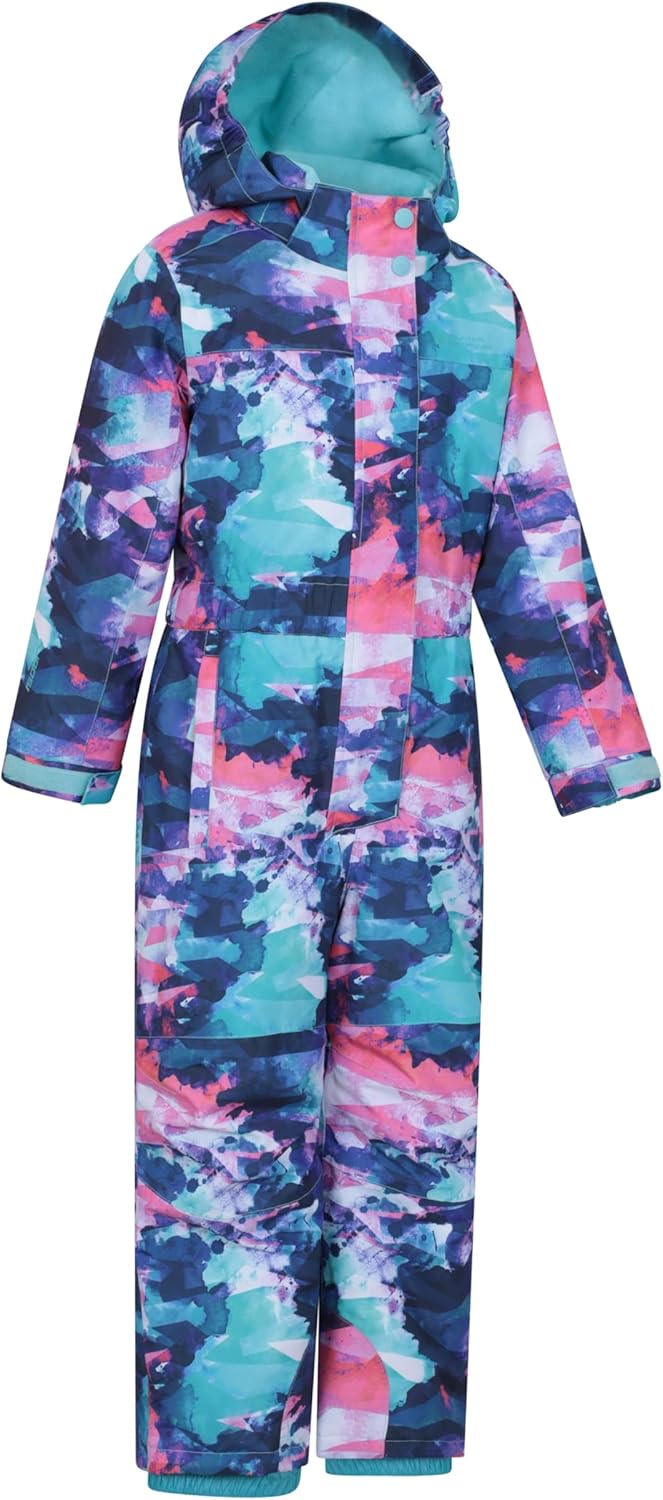
Luxury retailers like Net-a-Porter have elevated the perception of ski wear by presenting ski jackets, ski suits, and insulated pants as fashion statements rather than purely functional gear. This shift influences kids collections, where bold colour blocking, metallic shells, and graphic prints now sit alongside classic navy and red winter palettes. The best ski suits for style conscious kids borrow these design cues while still prioritising waterproof fabrics, storm proof hoods, and reinforced panels that stand up to repeated falls.
Parents should still evaluate each kids ski jacket, suit, and pair of ski pants with the same critical eye they apply to adult men ski or women ski outfits. Check whether the shell fabric uses a Tex Pro or Gore-Tex style membrane, whether the insulated padding feels evenly distributed, and whether the boot gaiters and ski socks interface cleanly without gaps. When fashion and performance align, a child can carve through a snow storm in a statement making ski suit while staying reliably warm, dry, and ready for one more run.
Weather, safety and how to dress kids for changing conditions
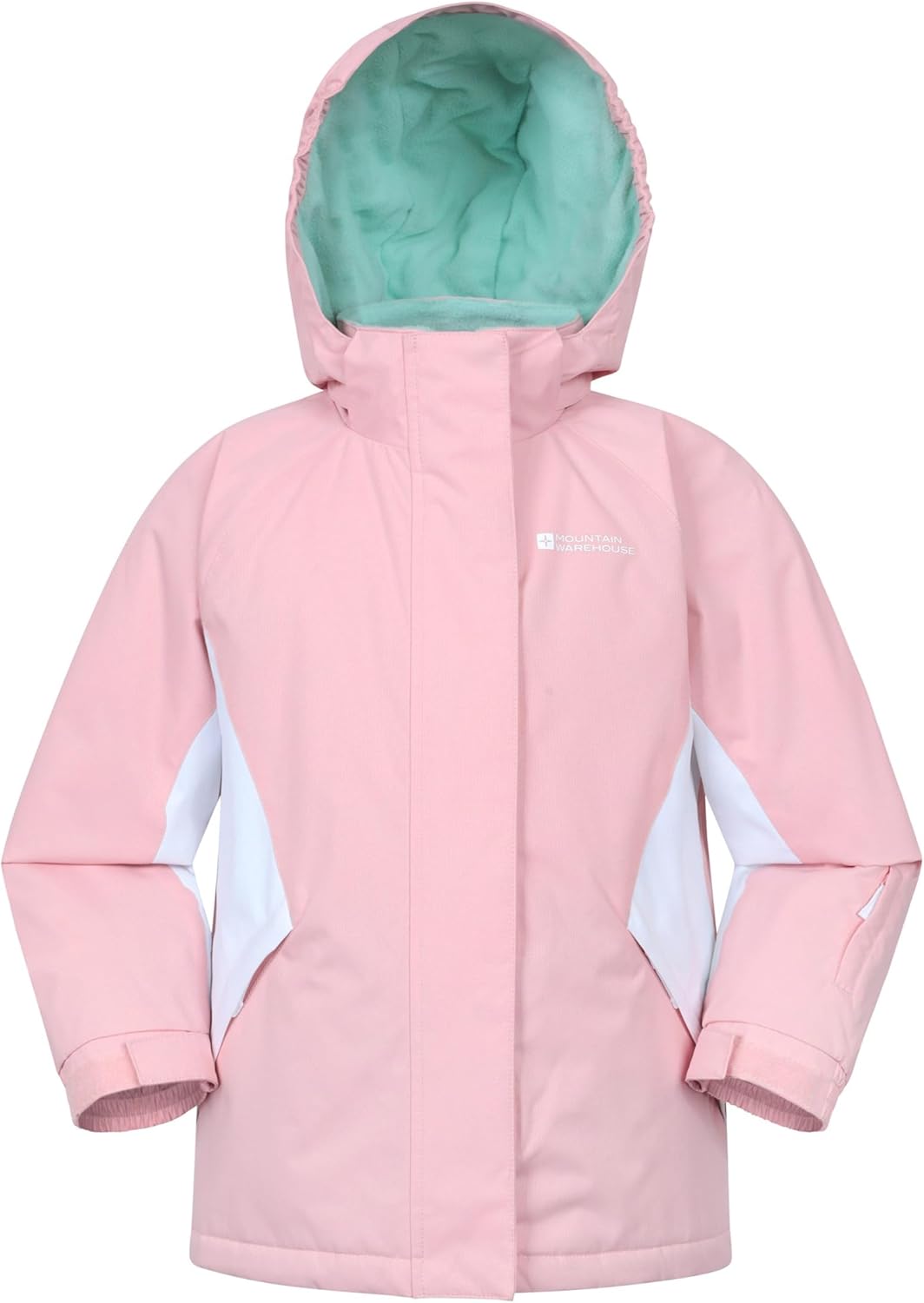
Mountain weather shifts quickly, so the best ski suits for kids must handle bright sun, wet snow, and sudden wind in a single day. A fully waterproof shell with sealed seams and a high collar protects a child when a passing winter storm blows across the ski area. Look for a ski jacket or ski suit with an adjustable hood that fits over a helmet, because this small detail dramatically improves comfort during exposed chairlift rides.
Temperature management starts with smart layering under the ski suit or under separate ski jackets and ski pants. On mild days, a merino wool base layer and thin ski socks may be enough under a lightly insulated shell, while colder mornings call for an extra fleece mid layer and perhaps thicker insulated pants. The goal is to keep kids warm without overheating, because sweat that cannot escape through the Tex membrane or Gore-Tex style shell will eventually cool and make them feel chilled.
Safety also extends to visibility and freedom of movement in every ski wear choice. Bright colours and reflective details on a ski jacket, ski pants, or one piece suit help instructors and parents spot children quickly in busy snow conditions. Ensure that boots, gloves, and helmet straps interface cleanly with cuffs, gaiters, and hoods, so there are no gaps where snow can sneak in and distract a child during a focused ski lesson or a playful off piste adventure.
Value, care and building a long lasting kids ski wardrobe
When evaluating the price of the best ski suits for kids, think in terms of cost per ski day rather than the initial number on the tag. A higher priced ski suit with durable shell fabric, quality zips, and robust waterproof treatment often survives several seasons and can be passed down to younger siblings or friends. In contrast, a cheaper ski jacket and pants set that loses its waterproof coating after a few wet snow days quickly becomes an expensive mistake.
Parents can stretch the life of kids ski jackets, ski pants, and ski suits by following proper care instructions. Wash technical shell garments with a specialised detergent, avoid fabric softeners that clog Tex style membranes, and reactivate the durable water repellent finish with gentle tumble drying or a low heat iron where the label allows. Regular maintenance keeps the shell beading water, preserves breathability, and ensures that insulated padding continues to loft and trap warm air effectively.
Building a versatile kids ski wear wardrobe also means thinking beyond the ski slope to everyday winter use. A well cut ski jacket can double as a daily winter jacket for school, while insulated pants and snow boots work for sledging, city snow days, and cold weather travel. For more ideas on how performance pieces migrate into everyday style, explore how technical sports details influence kids fashion, then apply the same thinking when you select the next ski suit, ski jacket, or pair of ski pants for your style conscious young skier.
Key figures shaping kids ski wear and performance
- Industry participation reports indicate that children make up a significant share of global recreational ski visitors, which explains why brands now invest heavily in dedicated kids ski suits and ski jackets.
- Laboratory style waterproof tests from outdoor gear institutes commonly show that a rating of at least 10,000 millimetres helps keep young skiers dry in typical resort snow conditions, while 20,000 millimetres or more offers better protection during prolonged winter storms.
- Consumer research from major outdoor retailers often notes that insulated ski jackets and ski pants with synthetic fill perform more reliably than down for kids in wet snow, because synthetic insulation continues to provide warmth even when slightly damp.
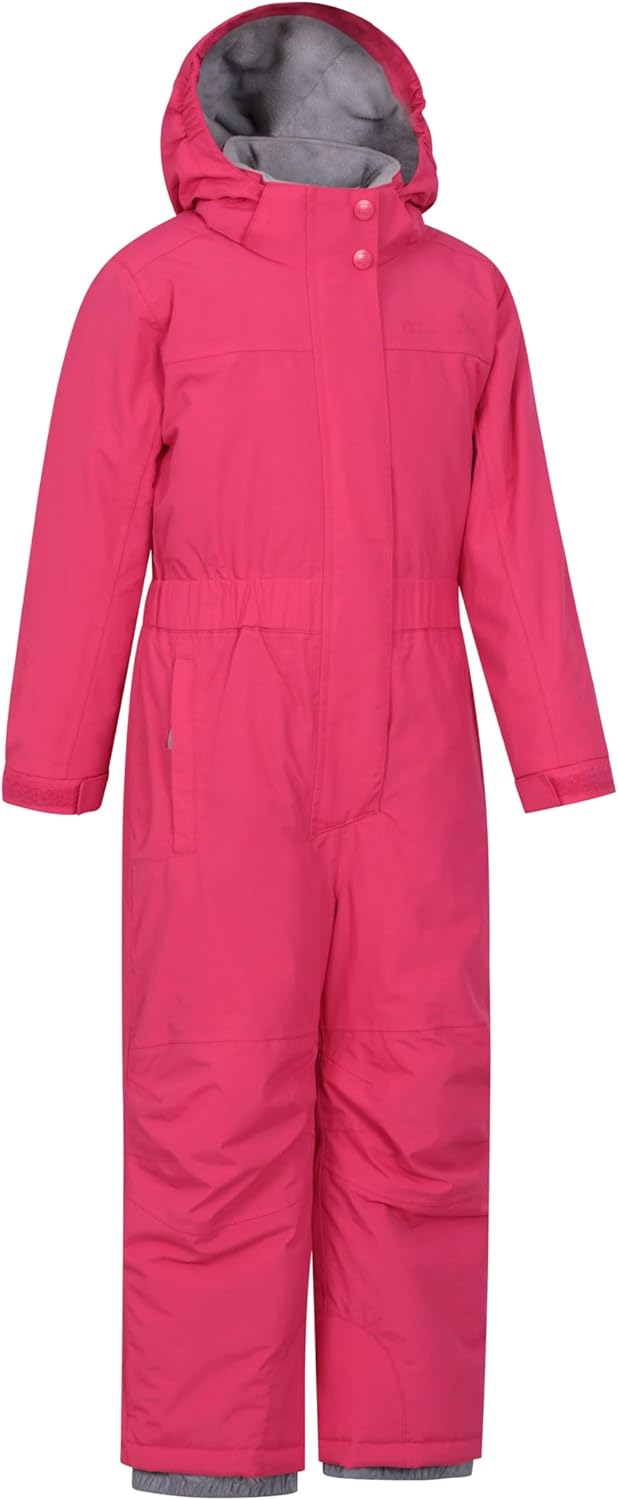
- Feedback from ski schools in Europe suggests that children wearing one piece ski suits are more likely to stay comfortable outside for longer lessons than those dressed in non waterproof street jackets and casual pants.