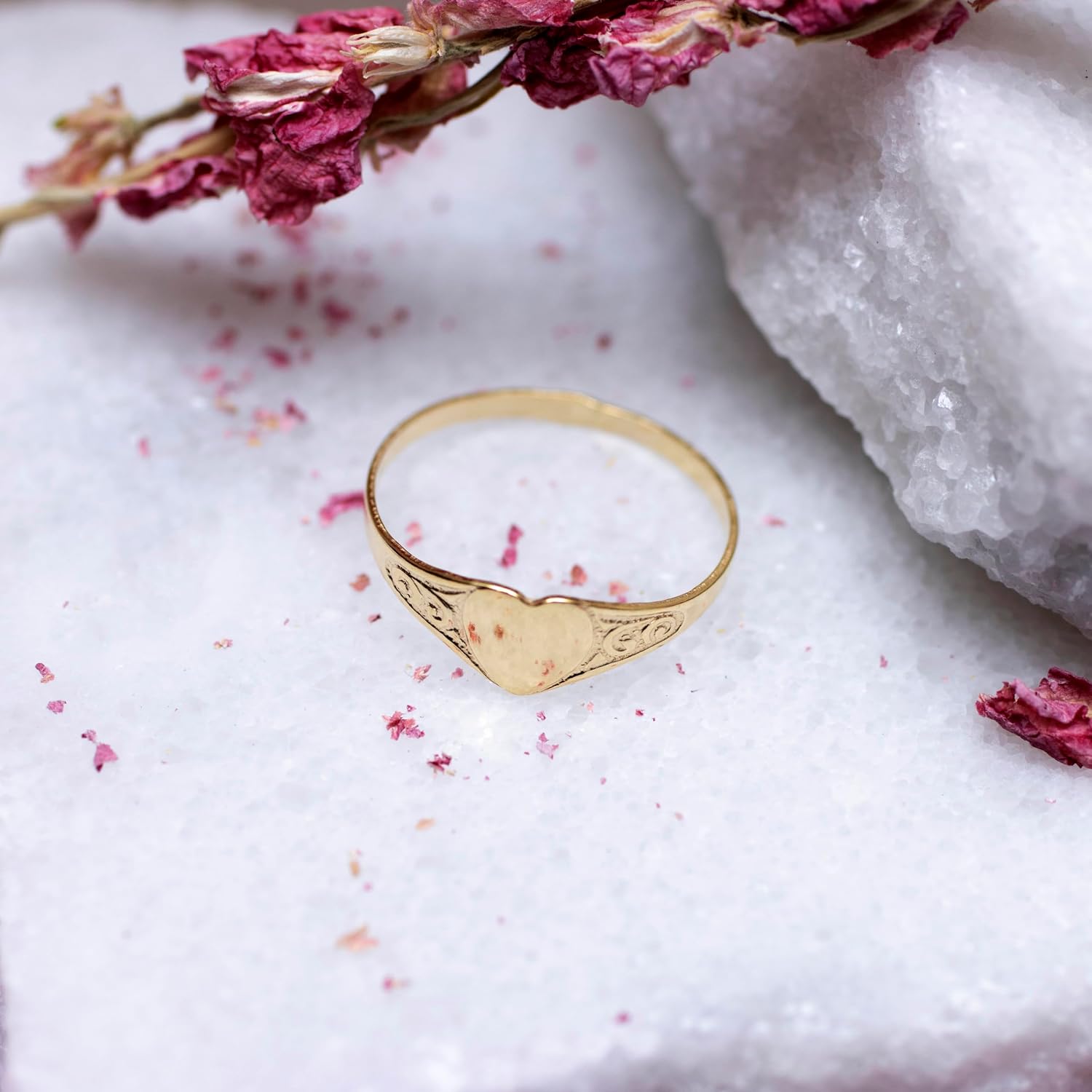
Choosing kid friendly materials, colours, and ring size
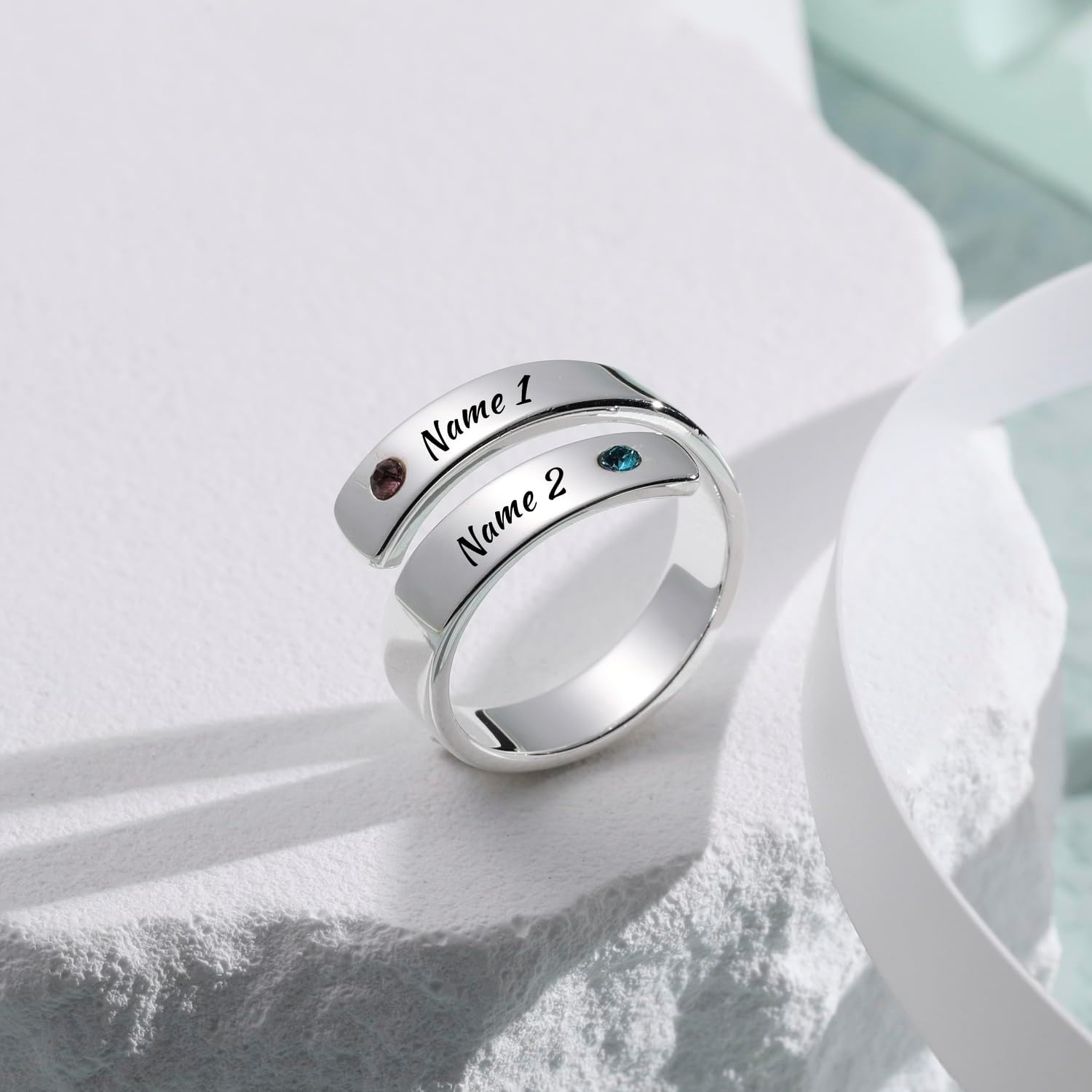
Material choice is the first serious decision when curating the best rings for children. Hypoallergenic metals such as sterling silver and carefully finished yellow gold or white gold reduce irritation on sensitive skin, which is crucial when a ring will be worn during long school days. For very active kids, a light band ring in sterling silver or gold platinum style plating often feels safer than a heavy ring classic design with a tall stone.
Colour is where young stylists fall in love, so talk about yellow, rose, and warm ring yellow tones as part of their wardrobe palette. A ring rose finish pairs beautifully with blush knitwear, while yellow gold sings against denim and primary coloured tees, and white gold looks crisp with monochrome streetwear. Encourage them to match metals with other accessories, so their stacking rings echo zips, buckles, and hair clips in a coherent mini collection.
Ring size is the technical detail that separates costume play from considered styling. Always measure ring size with a soft tape around the base of the finger, then compare the measurement in millimetres to a professional chart before any sale. When shopping online, insist on clear product details about ring size, materials, and whether the ring can be resized later, and use a specialist guide such as the one on top rings for stylish kids to benchmark quality and price expectations.
Stones, shapes, and safe sparkle for young fashion lovers
Children are naturally drawn to diamonds and colourful stones, but safety and practicality must lead every styling decision. For daily wear, choose low profile settings where the stone sits close to the band, so the ring does not snag on knitwear or school bags. A bezel set diamond or coloured crystal offers the look of fine jewellery while protecting the stone from playground knocks.
Shape also changes the mood of the best rings, even in miniature sizes. An emerald cut stone feels architectural and grown up, while a tiny round diamond or cubic zirconia reads softer and more playful for younger kids. When you explain how different cuts catch the light, children start to understand why some rings feel right for a school concert while others belong at a formal wedding.
Reserve true diamonds and high price pieces for older children who already care for accessories like sunglasses and watches. A teen who stores their UV400 sports sunglasses carefully, such as the styles reviewed in this children’s sunglasses test, is more likely to respect a delicate engagement ring style piece or a symbolic anniversary ring gifted for a milestone birthday. For younger kids, focus on durable stones, modest diamonds or diamond like accents, and band ring silhouettes that can survive sandpits and art class.
Styling rings with kids’ outfits, from playground to party
Thoughtful styling turns the best rings into storytelling tools in a child’s wardrobe. On school days, limit them to one slim ring classic design in sterling silver or yellow gold, worn on the non dominant hand to reduce knocks. This single band ring can echo a metallic buckle on their backpack or the trim on their favourite trainers, creating a subtle but intentional look.
For weekend outings, stacking becomes a playful exercise in proportion and colour. Encourage kids to layer two or three rings of different widths, mixing a ring rose finish with yellow gold and white gold for a curated yet light feel. Keep at least one finger bare, so small hands do not look overloaded, and balance the rings with simple accessories like a neat pair of Mary Janes from a curated list such as the one on top Mary Janes for kids.
Special occasions invite bolder choices, but the styling still needs to respect age and comfort. A symbolic love ring or eternity ring can mark a family wedding or religious ceremony, especially when matched to the metal of a parent’s wedding band or wedding bands. Coordinate the ring with the dress code colours, so a ring yellow tone or rose gold band quietly mirrors embroidery, sashes, or hair ribbons without competing with the outfit itself.
Teaching value, price awareness, and care through kids’ rings
Rings offer a practical way to introduce children to value, price, and ethical choices in fashion. When comparing two similar rings, talk openly about how materials such as sterling silver, yellow gold, or gold platinum plating influence both price and durability. Explain why solid yellow gold or white gold usually costs more than plated metals, and how gold diamond jewellery or natural diamonds differ from lab grown or crystal stones.
Use product details as a teaching tool rather than fine print to ignore. Show them how to read information about band thickness, stone setting, and whether the ring has been sold as part of a limited collection or a permanent line. This helps young fashion enthusiasts understand why a wedding band or engagement ring for adults is priced differently from a playful stacking set designed for kids, even when the designs look similar at first glance.
Caring for the best rings becomes a daily ritual that builds respect for objects. Encourage children to remove rings before sports, swimming, or messy crafts, and to store them in a small box or pouch when not worn, just as they would carefully receive and put away a favourite accessory. Over time, they learn that a love ring, eternity ring, or anniversary ring is not only about love or eternity as ideas, but also about the ongoing effort to protect what they cherish.
Building a meaningful mini collection for young style curators
A thoughtful ring collection for kids grows slowly, guided by milestones rather than impulse purchases. Start with one everyday band ring in sterling silver or yellow gold, then add a ring classic design with a small stone for birthdays or school achievements. Later, introduce a symbolic eternity ring or love ring to mark key transitions, such as moving to a new school or joining a performance troupe.
Each new piece should earn its place through clear product details and a story that resonates with the child. A ring rose band might celebrate a first ballet recital, while a slim white gold wedding band style ring could echo a parent’s jewellery during a family ceremony. For older teens, a refined engagement ring inspired design with an emerald cut stone or a delicate anniversary ring can signal their growing taste for adult silhouettes while remaining firmly in the realm of fashion, not commitment.
Encourage kids to curate their own looks by choosing which rings to wear together each morning. They will quickly learn which rings stack comfortably, which metals mix harmoniously, and how a single ring yellow accent can transform a simple jeans and tee outfit into something editorial worthy. In time, this personal collection of the best rings becomes a visual diary of their evolving style, their gold love for fashion, and the moments they most want to remember.
Key figures on kids’ jewellery and ring trends
- Industry analysts describe the global children’s jewellery segment as a multibillion US dollar market, with rings representing a growing share of birthday and celebration gifts. Recent Euromonitor International briefings on kids’ accessories highlight steady year on year growth driven by gifting and social media influence.
- Retail trend reports from chains that serve preteens suggest that sterling silver and plated yellow gold remain the preferred materials for kids’ rings, due to their balance of price, durability, and skin friendliness. NPD Group fashion panels also note that parents favour pieces that look premium while remaining affordable to replace.
- Market research on fashion accessories shows that stacking ring sets for children have grown in popularity, reflecting the influence of social media styling on preteen consumers. Capsule sets that mix plain bands with one or two stone set pieces now account for a significant share of new product launches in the kids’ ring category.
- Consumer safety guidance from organisations such as the European Chemicals Agency highlights that nickel free alloys and clearly labelled materials significantly reduce skin reactions in children who wear rings regularly. ECHA notes that compliance with its nickel release limits in jewellery is a key factor in lowering allergy risk for young wearers.
Trusted sources
- Euromonitor International – global jewellery and children’s accessories market reports that track sales, growth rates, and gifting trends in the kids’ segment.
- NPD Group – consumer and retail trend analysis for fashion and accessories, including panel data on parents’ purchasing behaviour for children’s jewellery.
- European Chemicals Agency (ECHA) – guidance on nickel and metal safety in consumer products, including technical limits on nickel release for jewellery worn against the skin.