The business model behind flimsy kidswear
Parents talk about kids clothes quality durability fast fashion problem as if it were bad luck. The reality is that the fashion industry has built a clothing system where the average T shirt for kids is designed for a handful of wears, because the business model rewards volume and speed over longevity. When a brand sells kids clothes for less than the price of a coffee, there is simply no budget for reinforced seams, pre shrunk fabric or serious testing on actual children.
Fast fashion changed how we think about kids clothes, but it also changed how the global supply chain is engineered, from fiber choice to manufacturing shortcuts. In this fast system, every cent shaved off production in developing countries means higher margins, so fashion brands quietly downgrade fabric weight, skip bar tacks at stress points and accept prints that crack after one term of school. The result is a kids clothes quality durability fast fashion problem that shows up as pilling after one wash, warped necklines and leggings that go sheer long before your kids outgrow the size.
Look closely at the fashion environmental story behind that USD 7 tee and you see the full social economic cost. Garment workers in developing countries are often paid low wages to keep clothing prices down, and the pressure for fast turnaround times leads to rushed manufacturing with minimal quality control. Those same rushed processes increase environmental impacts through higher waste, more water use and a negative impact on both workers and the ecosystems around factories.
Parents feel this negative impact in their laundry baskets when kids clothes lose shape in weeks, but the environmental social damage is largely invisible. The fashion industry has normalized this churn, turning children into the perfect consumers because they grow quickly and because fast fashion trains us to treat clothes as disposable. When kids learn that a T shirt is worn a few times and then tossed, the impacts fast fashion has on their values may be as serious as the impacts fast fashion has on rivers, workers and the climate.
Behind every flimsy pair of leggings is a chain of decisions about labor and materials. Many fashion brands still rely on conventional cotton that drinks huge volumes of water and on synthetic fibers that shed microplastics, even when organic cotton alternatives exist that are kinder to both children’s skin and the planet. When the priority is speed, not durability, there is little incentive to invest in Oeko Tex certified dyes, better working conditions for garment workers or cleaner manufacturing processes that would reduce waste and water pollution.
For style savvy parents, the kids clothes quality durability fast fashion problem is not just about aesthetics, it is about ethics. You cannot separate the look of a glitter print from the labor that produced it, or the price of a hoodie from the likelihood of child labor somewhere in the supply chain. The more we understand how this industry works, the harder it becomes to accept that kids clothes should fall apart after three washes as some inevitable stage of childhood.
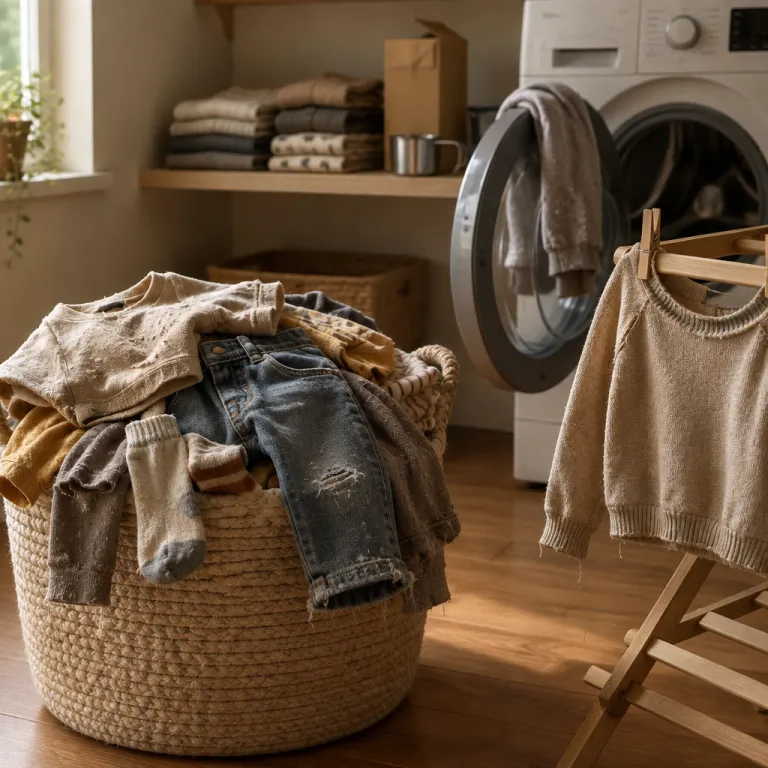
What parents are really seeing in the laundry basket
Open any family laundry room and you will see the kids clothes quality durability fast fashion problem in vivid color. Parents report leggings thinning at the knees after a month, sweatshirts bobbling with pills after two spins and printed graphics on clothing that start to peel before the first school photo. These are not isolated complaints but a pattern that mirrors how the fast fashion industry has downgraded construction standards for children.
Look at the seams on your kids clothes and you will often find single stitching where there should be double stitching, especially at stress points like crotches, underarms and pockets. When fashion brands cut corners here, the impact is immediate for active kids who run, climb and slide, because those seams are exactly where the fabric is pulled hardest. Parents then face a choice between constant replacement and learning basic repair, while the pile of unwearable clothes grows and feeds the wider problem of textile waste.
That waste has a measurable environmental impact, because most discarded kids clothes still end up in landfills or incinerators. A growing body of environmental report data shows that the fashion industry is responsible for significant global water use and carbon emissions, and children’s clothing is part of that story even if it is rarely singled out. When garments fail early, the effective environmental impacts per wear skyrocket, turning each tiny T shirt into a surprisingly heavy climate burden.
Parents also notice how fast colors fade on kids clothes from certain fashion brands, especially in bright neons and saturated darks. Cheap, unstable dyes wash out quickly, and when they do, they release chemicals into water systems in both wealthy and developing countries, compounding the fashion environmental crisis. Choosing Oeko Tex certified dyes and organic cotton fabrics would reduce this negative impact, but those choices are still the exception rather than the rule in mainstream kidswear.
Behind the scenes, garment workers in developing countries are racing to meet impossible deadlines, often in unsafe working conditions. Low wages and long hours are not accidents but structural features of a supply chain that keeps kids clothes cheap for shoppers in richer countries while externalizing the true social economic costs. When we talk about the kids clothes quality durability fast fashion problem, we are also talking about an environmental social problem that stretches from cotton fields to cutting tables.
Regulation is starting to nibble at the edges of this system, especially in markets where lawmakers are waking up to the negative impact of overproduction. Measures such as the European move to ban the destruction of unsold kids clothes, analysed in depth in this piece on how new rules change things for the brands you buy, show that governments can push the fashion industry toward more responsible manufacturing. Yet without a parallel focus on durability and working conditions, these policies risk tackling waste at the end of the pipeline while ignoring why garments fail so quickly in the first place.
Cost per wear, construction details and how to shop like a pro
The smartest way to navigate the kids clothes quality durability fast fashion problem is to think in terms of cost per wear, not sticker price. A USD 30 organic cotton tee that survives 100 wears and several children costs less per wear than a USD 7 fast fashion tee that dies after 10 spins, even if the upfront economic signal suggests the opposite. When you calculate cost per wear, you start to see how the fashion industry’s obsession with low prices hides a much higher long term cost for both families and the environment.
To make that calculation work in your favor, you need to read kids clothes like a garment technician, not like a casual shopper. Start with fabric weight and hand feel, because denser knits and tightly woven cottons usually last longer than flimsy jerseys, especially for active kids. Organic cotton jerseys from labels that invest in Oeko Tex certified dyes and pre washed fabrics tend to resist pilling and shrinkage better, which directly reduces the environmental impacts per wear.
Construction details matter just as much as fabric choice when you are fighting the kids clothes quality durability fast fashion problem. Look for double stitched seams along side seams and shoulders, and check for bar tacks at pocket corners, belt loops and the base of zips, because these reinforcements stop rips before they start. Inside, a clean finish with overlocked edges or French seams signals that the clothing has been built to withstand years of washing and the kind of rough play that defines childhood.
Elastic is another weak point in many kids clothes, especially waistbands and cuffs on leggings and joggers. In fast fashion pieces, elastic is often narrow, poorly anchored and prone to twisting, which is why waistbands start to buckle or lose stretch long before your children outgrow the size. Higher quality fashion brands use wider elastic, stitched down in several places, which keeps shape over years and dramatically improves both comfort and durability.
When shopping online, zoom in on product photos and read descriptions with a skeptic’s eye. Phrases like “lightweight fashion fabric” or “soft touch jersey” can be code for very thin material, while mentions of reinforced knees, double stitching and Oeko Tex certification usually indicate a more serious approach to durability and environmental social responsibility. Independent reviews that mention how clothes perform after many washes are worth more than any glossy campaign, because they speak directly to the real world impacts fast fashion or slow fashion will have on your laundry basket.
Some labels are starting to build longevity into their business model, designing kids clothes to be worn for several years and then passed on. Unisex organic cotton pieces, such as the kind analysed in this detailed test of an organic sweat college jacket, show how thoughtful construction and timeless design can stretch across sizes and siblings. When you choose these garments, you are not just buying clothing, you are voting for a fashion industry that values durability, fair labor and lower environmental impacts over the illusion of cheap abundance.
Brands, campaigns and what it would take to fix kidswear
If we are serious about solving the kids clothes quality durability fast fashion problem, we have to talk about power. Parents can choose better clothing, but the fashion industry controls design, manufacturing and the global supply chain that turns fiber into finished kids clothes. Real change means shifting incentives so that fashion brands earn more from durability, repair and resale than from endless new drops.
Some pioneering labels are already experimenting with this, building kids clothes that are intentionally sized and cut to last for several years. Adjustable waistbands, generous hems and boxy silhouettes allow garments to grow with children, reducing both waste and the negative impact of constant replacement. When these pieces are made from organic cotton with Oeko Tex certified dyes and robust stitching, they can circulate through families and resale platforms, lowering environmental impacts across many years and multiple kids.
Campaigns such as the international Clean Clothes Campaign have spent years highlighting how garment workers in developing countries bear the hidden costs of our cheap fashion. Their work shows how low wages, unsafe working conditions and the risk of child labor are baked into the current fast fashion model, especially in countries where labor protections are weak. Any serious fix for the kids clothes quality durability fast fashion problem must therefore address both environmental social issues and the economic realities of workers who actually sew our children’s clothes.
Parents who care about fashion environmental issues can use their purchasing power to support brands that publish transparent report style data on their supply chain. Look for labels that share factory locations, audit results and commitments to living wages, not just vague statements about ethics, because transparency is a precondition for better working conditions. When enough families shift their spending, the fashion industry receives a clear signal that durability, fair labor and reduced waste are not niche preferences but mainstream expectations.
Education also matters, especially in a culture where fast fashion hauls dominate social media feeds aimed at both parents and children. Resources that decode licensed kidswear and branding, such as this guide to navigating licensed kids fashion without losing your style standards, help families resist the pull of constant novelty. When children learn to value a few well made pieces over a closet full of disposable clothes, the long term social economic impacts fast fashion has on both people and planet begin to soften.
Ultimately, fixing kidswear durability will require coordinated pressure on the fashion industry from regulators, campaigners and consumers. Stronger rules on product standards, such as minimum durability requirements and clearer labeling on environmental impacts, would push fashion brands to redesign clothing for longer life. Until then, the most powerful thing a parent can do is to treat every purchase as a vote for the kind of childhood wardrobe we want to normalize, one defined not by what photographs well, but by what survives the playground.
Key figures on kidswear, fast fashion and durability
- According to the Ellen MacArthur Foundation, the average number of times a garment is worn before disposal has decreased by around 36 percent compared with earlier decades, which means the effective environmental impact per wear has sharply increased.
- Data from the United Nations Environment Programme indicate that the fashion industry is responsible for up to 20 percent of global industrial water pollution, largely due to dyeing and finishing processes that affect both adult and children’s clothing.
- Reports from the International Labour Organization estimate that tens of millions of garment workers worldwide, many in developing countries, are employed under conditions that often include low wages and excessive overtime, which are structural features of the current fast fashion model.
- Research compiled by the European Environment Agency shows that textiles have the fourth highest environmental impact of any consumption category in the European Union, after housing, transport and food, underscoring how clothing for children contributes to overall environmental pressures.
- Studies on organic cotton production, such as those summarized by Textile Exchange, suggest that certified organic cotton can reduce water consumption by up to 90 percent compared with conventional cotton in some regions, which significantly lowers the environmental impacts of kids clothes made from these fibers.